Free Bacchus Journal
The Plant that waits eight years
Your tequila began as a plant that stood in a field for the better part of a decade. What happens to all that patience on the way to your glass is the most interesting thing about the category — and almost nobody thinks to ask.
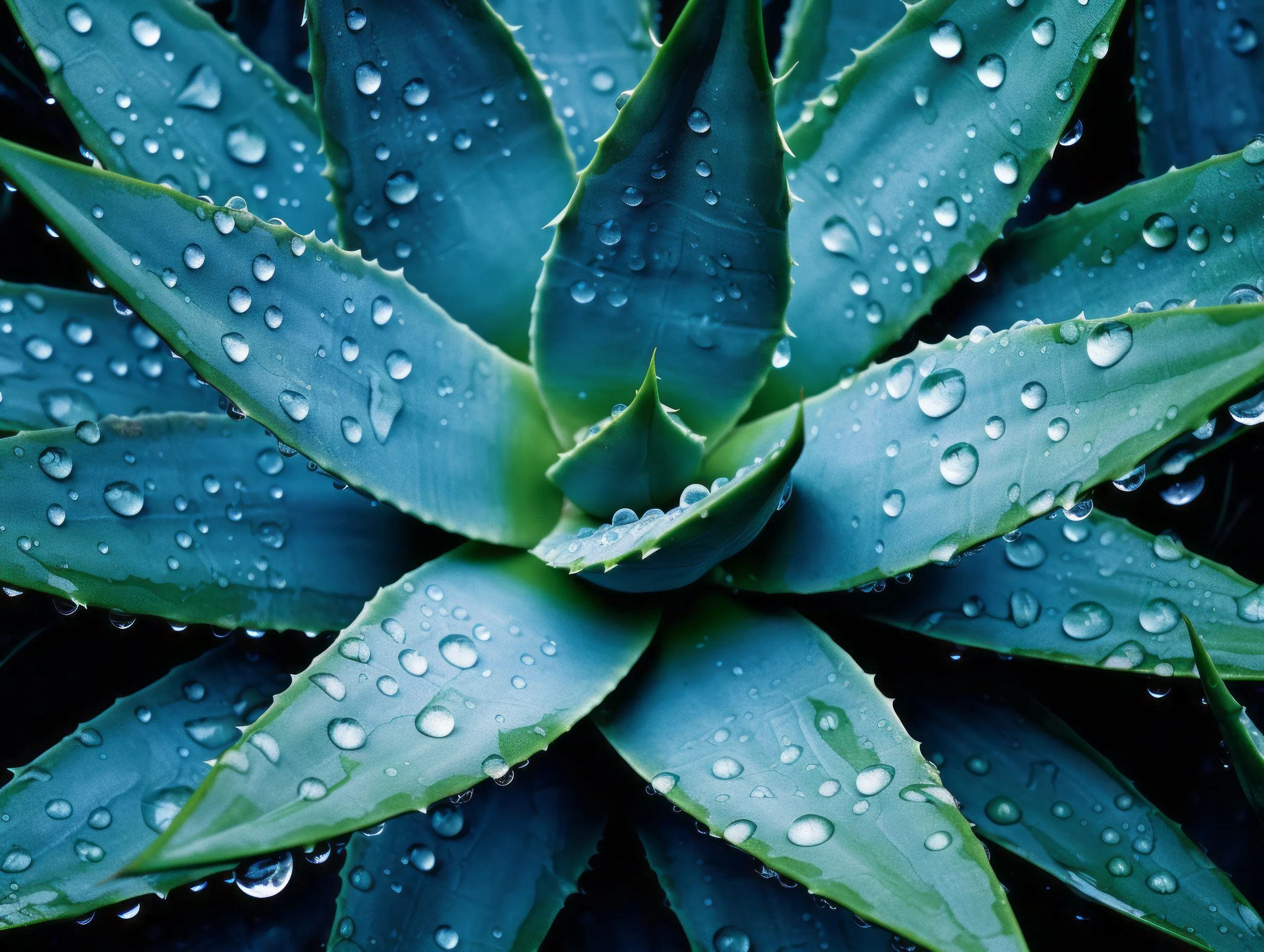
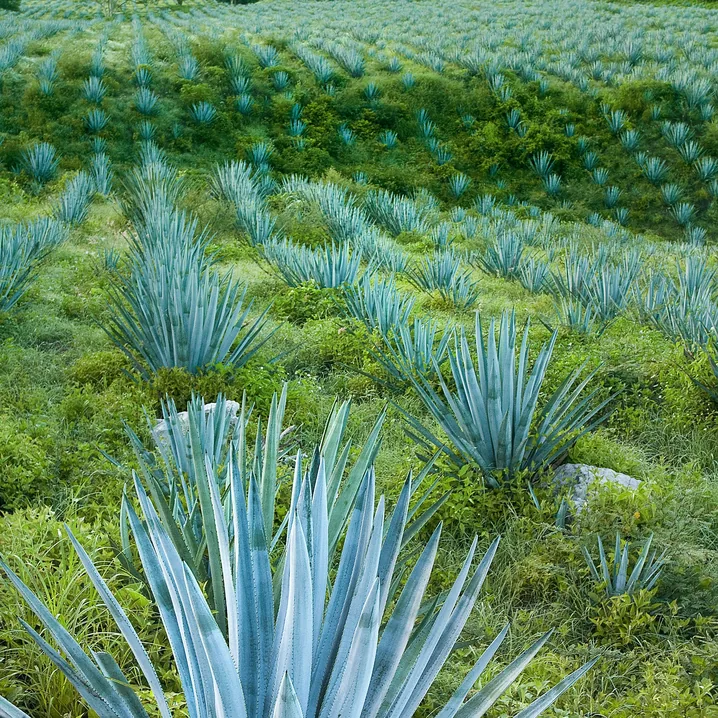
Somewhere in Mexico right now, a plant is standing in a field that will one day become your margarita. It looks like a giant blue-green aloe. Low to the ground, sharp-leaved, in no hurry. And it has been standing there for years. Not weeks. Not a season. Years. This is the fact almost nobody knows about tequila. The agave takes roughly eight years to mature before it can be harvested.
Eight years of the same sun, the same rain, the same patch of red earth, all slowly concentrating into the sweet heart of the plant. A farmer who plants one knows their children will be the better part of a decade older by the time it's ready.
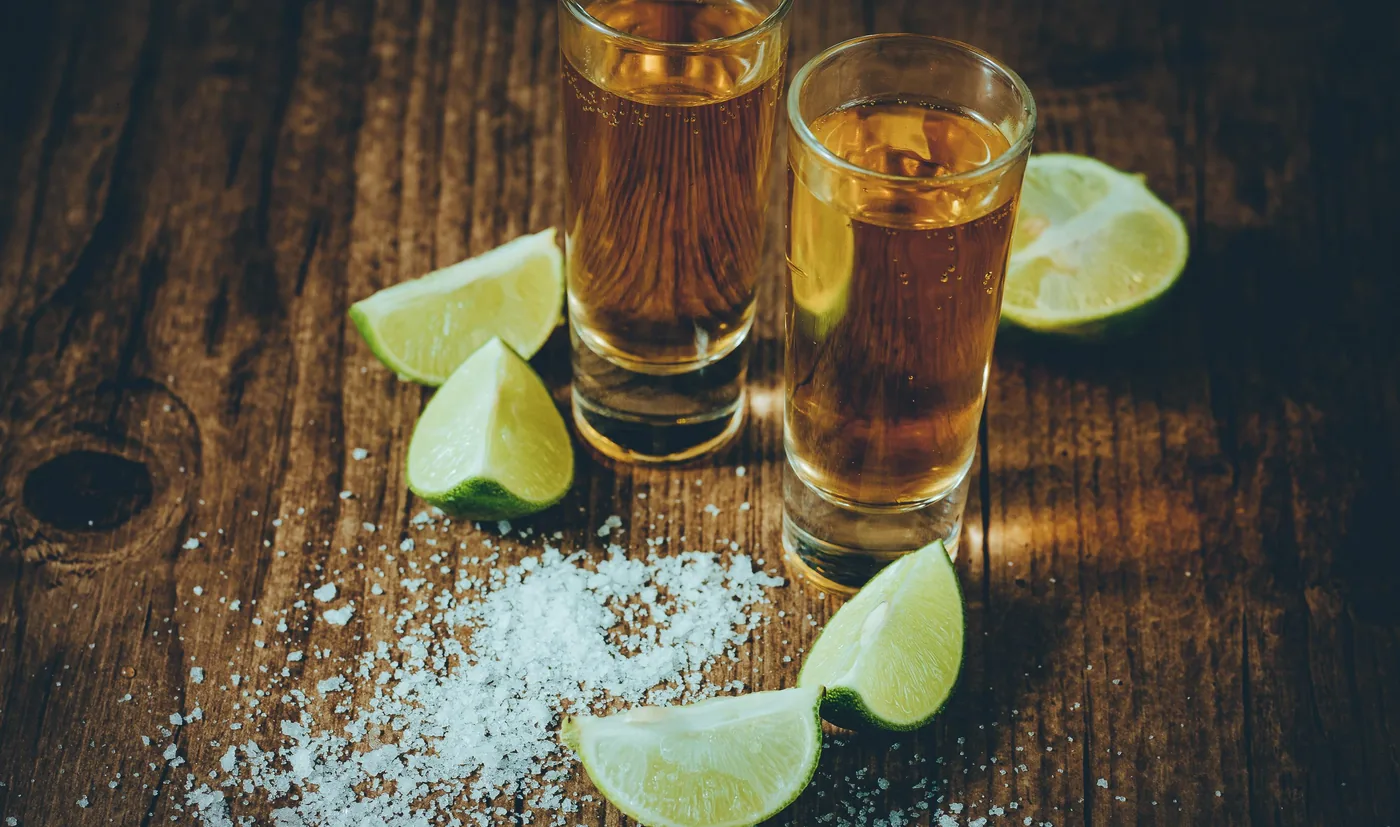
Set that against how tequila usually arrives in our lives — the shot, the salt, the lime, the round bought at the end of a long night. We tend to treat it as though it appeared from nowhere. It didn't. It's one of the slowest, most patient things you can pour into a glass, and it belongs in the same conversation as vintage wine rather than as a mixer.
The plant spends eight years becoming something. The only question that matters is how much of it reaches your glass.
How a slow crop met fast demand
Here's how tequila is made when nobody is in a hurry. You take the sweet heart of the plant and roast it slowly — as you would anything you wanted to taste of something — then ferment it and distil it. All those years in the field end up in the bottle, where they belong.
And here's the problem the industry has actually faced. Global demand for tequila has grown enormously and quickly. Agave supply can't respond quickly, because the plant takes eight years and no amount of capital shortens that. The tools that emerged to bridge that gap are the tools this article is about.
The most significant is the diffuser. Rather than roast the plant, a diffuser strips the sugars out with hot water and a little acid — the difference, roughly, between roasting a vegetable and pressure-washing it for the juice. It's faster, extracts more sugar per plant, and wastes considerably less of a scarce agave crop. It also removes most of the character those eight years produced, leaving something close to neutral.
That efficiency is a genuine achievement, simply one pointed at a different goal from the one we care about.
A crop that takes eight years met a market that wanted more every quarter. The shortcuts came from that arithmetic, not from malice.
By the numbers
before a single harvest
Del Maguey’s mezcal
for the field, one for the still
What gets added back, and why nobody has to tell you
A near-neutral spirit still has to taste like tequila, and the rules permit a producer to help it along. Small quantities of colouring, sweetener, oak or vanilla flavouring may be added — enough to suggest barrel age and smoothness, without disclosure on the label.
It is worth understanding why that allowance exists rather than assuming bad faith. Small additions have been part of spirits production for a very long time, in many categories; the thresholds are not a loophole someone engineered but an old rule a much larger industry has grown into. The consequence is real: a spirit’s apparent age and texture can come from a supplier’s bottle rather than from time in oak, and the label is under no obligation to distinguish the two.
None of this is dangerous, and nobody is suggesting it is. But you were sold patience.
Patience is the one quality that can't be added at the end. Everything else can.
The same spirit in a finer bottle
Every bottle of tequila carries a small code on the back identifying the facility that produced it. A single facility often produces dozens of different brands — the celebrity bottle with the famous name and the story about a special ranch, the supermarket bottle, and several "craft" labels in between, all running through the same equipment from the same bulk agave.
Again, this is not a conspiracy so much as how the category scaled: building a distillery is enormously expensive and slow, and contract production let a great many brands exist that otherwise couldn't, some of them genuinely good. But it does mean the ranch on the label may be a story rather than an address, and the code, read correctly, will occasionally tell you so.
The expensive bottle and the cheap one are sometimes the very same spirit. What differed was the glass.
The producers who keep faith with the plant
Plenty of producers work the other way, treating those eight years as the entire point.
Take mezcal, tequila’s smoky relative, and Del Maguey in particular. They work with small villages high in the mountains of Oaxaca, alongside families who have made spirit the same slow way for generations. Their plants aren't even farmed — they grow wild for fifteen, twenty, sometimes thirty-five years before anyone harvests them. Nothing is stripped out and nothing is imitated back in, and every bottle states the exact village it was made in and the name of the person who made it.
Tequila has producers of the same conviction — estates that still roast the plant slowly, add nothing, and stand behind every bottle under their own name. They are usually smaller, dearer and harder to find, for reasons that have nothing to do with quality and everything to do with the economics above.
Wild or farmed, the honest producers do one thing: they refuse to discard the years the plant spent becoming itself.
The question worth carrying
The information you would need to tell one bottle from another mostly exists. Which facility made it. Whether anything was added. Whether the plant was roasted or stripped. It's simply held in places an ordinary person choosing a bottle after work has no realistic way to reach.
That's the work we've taken on: confirming who really made a spirit, what's really in it, and whether the plant was treated with the patience it earned. But the habit that makes any of it matter is simpler than our methodology, and available to anyone.
Ask how the agave was cooked. Ask whether anything was added. Producers who do it the slow way are almost always delighted to be asked, because it's the most interesting thing about them and nobody ever asks. The plant already did the hard part; it waited eight years. The least the rest of us can do is be curious about what happened next.
Ask how the agave was cooked, and whether anything was added. The producers doing it properly are waiting to be asked.
The receipt
What to take from this
- Blue agave takes roughly eight years to mature. It's one of the slowest crops in drink.
- Fast-growing demand met a crop with an eight-year lag — that mismatch, not malice, produced the industry’s shortcuts.
- Diffusers extract sugar efficiently from a scarce crop, and remove most of the character those eight years created.
- Small additions of colour, sweetener and flavouring are permitted without disclosure — an old rule a much larger industry grew into.
- A code on every bottle identifies the producing facility; one facility often makes dozens of different brands.
- Del Maguey names the village and the maker on every bottle, from wild agave grown fifteen to thirty-five years.
Where the claims come from4
-
Consejo Regulador del Tequila — NOM registry and additive regulations
crt.org.mx ↗ -
Wine Enthusiast — Del Maguey Single Village Mezcal reviews
wineenthusiast.com ↗ -
Tequila Matchmaker — additive-free verification and production methods
tequilamatchmaker.com ↗ -
Free Bacchus — The Verification Standard (tequila and agave spirits)
↗