Free Bacchus Journal
What Returns when the spraying stops
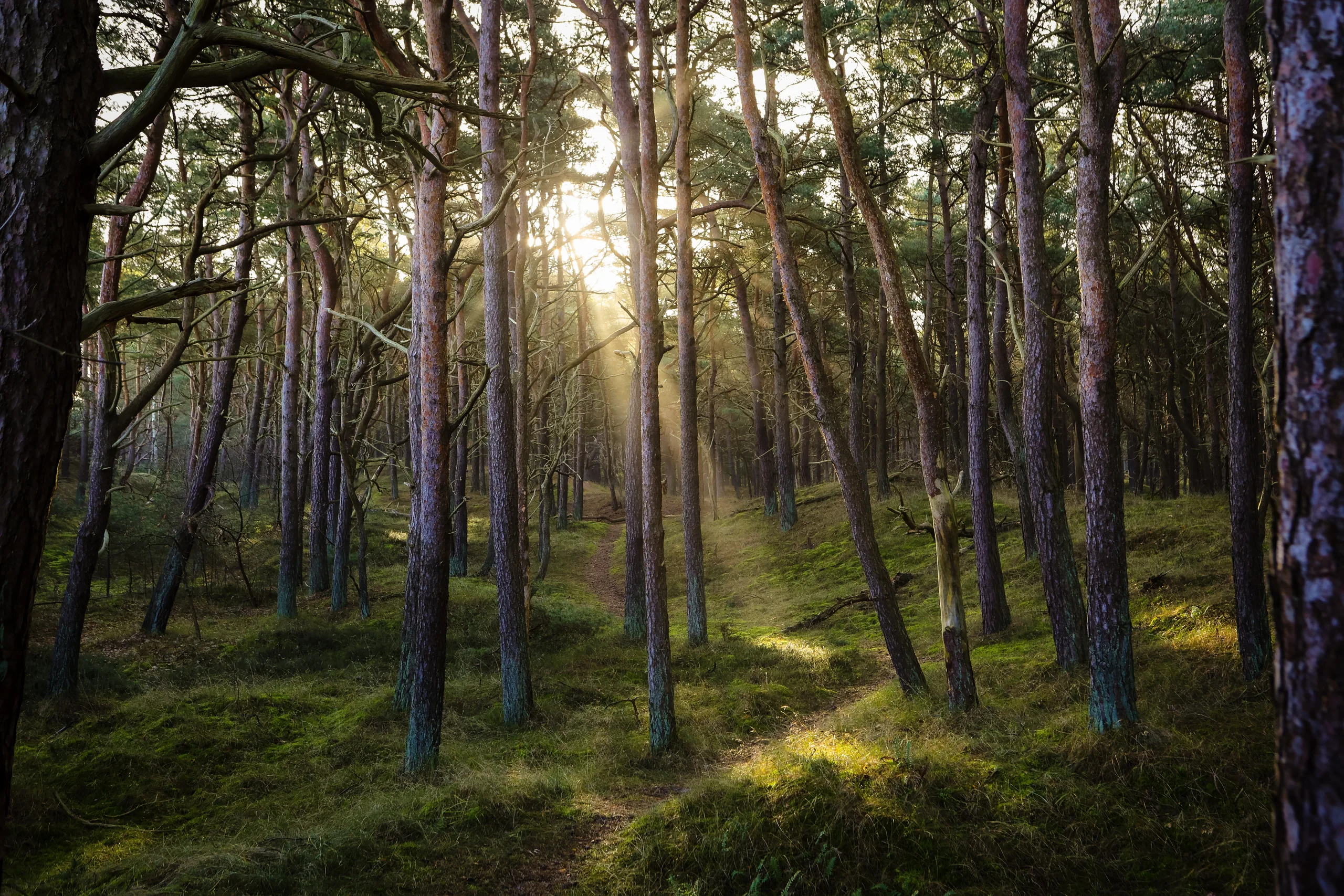
Stop spraying a vineyard and the land fills back up — not all at once, but in a predictable order, like a building being reoccupied floor by floor. Thirty years of research has been quietly documenting the sequence.
Nobody mentions this about a recovering vineyard: life comes back in a particular order, and you can more or less predict it. The flowering plants between the rows arrive first, for the simple reason that they're no longer being killed.
Then the insects that visit those flowers. Then the birds that eat those insects. Underneath all of it, over a longer period, the soil begins to hold together and hold water differently. Ground floor first, then the storeys above, in sequence.
That sequence isn't a nice metaphor invented for an article. It's what the research describes, and it has been described consistently for three decades.
Life doesn't come back all at once. It arrives in order, each layer waiting for the one beneath it.
Roughly a third more life
The clearest evidence comes from meta-analysis — pooling many independent studies to find what holds across all of them. A widely cited hierarchical meta-analysis drawing on 94 studies found that organic farming increases species richness by about 30 percent compared with conventional methods. The authors noted the result had held across three decades of published research and showed no sign of diminishing.
That 30 percent is an average, not a promise, and the science is honest about the variation. The overview compiled by IFOAM Organics Europe finds plants tend to benefit most from the removal of synthetic chemistry, with arthropods, birds and soil microbes also showing consistent positive effects. The benefit is often largest precisely where it's needed most — in intensively farmed landscapes where the surrounding land has been stripped bare.
By the numbers
farms versus conventional
meta-analysis behind it
effect showing no sign of fading
The complication worth knowing about
There's a genuine scientific argument attached to all of this, and we would rather set it out than present a tidier picture than exists.
Organic farms typically produce less per hectare than conventional ones. So a reasonable question follows: if you need more land to grow the same amount of food, is a biodiverse organic hectare actually better for wildlife overall than a conventional hectare plus a hectare left wild? Ecologists have debated this for years. It's sometimes framed as land-sharing versus land-sparing, and there's no settled answer that applies everywhere.
For wine in particular the question is softer, because a vineyard isn't competing with anyone’s food supply and much of the world’s viticulture sits on land that wouldn't grow anything else. But the debate is real, and anyone claiming the biodiversity case is entirely closed is overstating it.
On a given piece of farmed land, stopping the spraying reliably increases the life on it. The broader land-use question is genuinely unsettled.
The audience that never buys anything
Translate the statistics into a single estate and it becomes concrete. The spiders and springtails that multiply in undisturbed ground — in certified organic vineyards, by 84 and 32 percent. The songbirds that follow the insects. The undisturbed soil that holds water and filters it before it reaches the watershed below.
Pollinators are the exception, and it is worth stating plainly rather than leaving out. The same vineyard study found their abundance lower under organic management, by 11.6 percent. The authors attribute the effects they measured to specific practices — tillage regime, insecticide use and soil copper content — rather than to organic certification in itself. Copper is the awkward one: it is permitted under organic rules, it accumulates, and it is the reason a serious grower watches their soil analyses rather than their paperwork.
None of that audience buys the wine. They're the incidental beneficiaries of a farming decision usually made for other reasons entirely — for the character of the fruit, or because a grower watched their soil go dead and didn't like it.
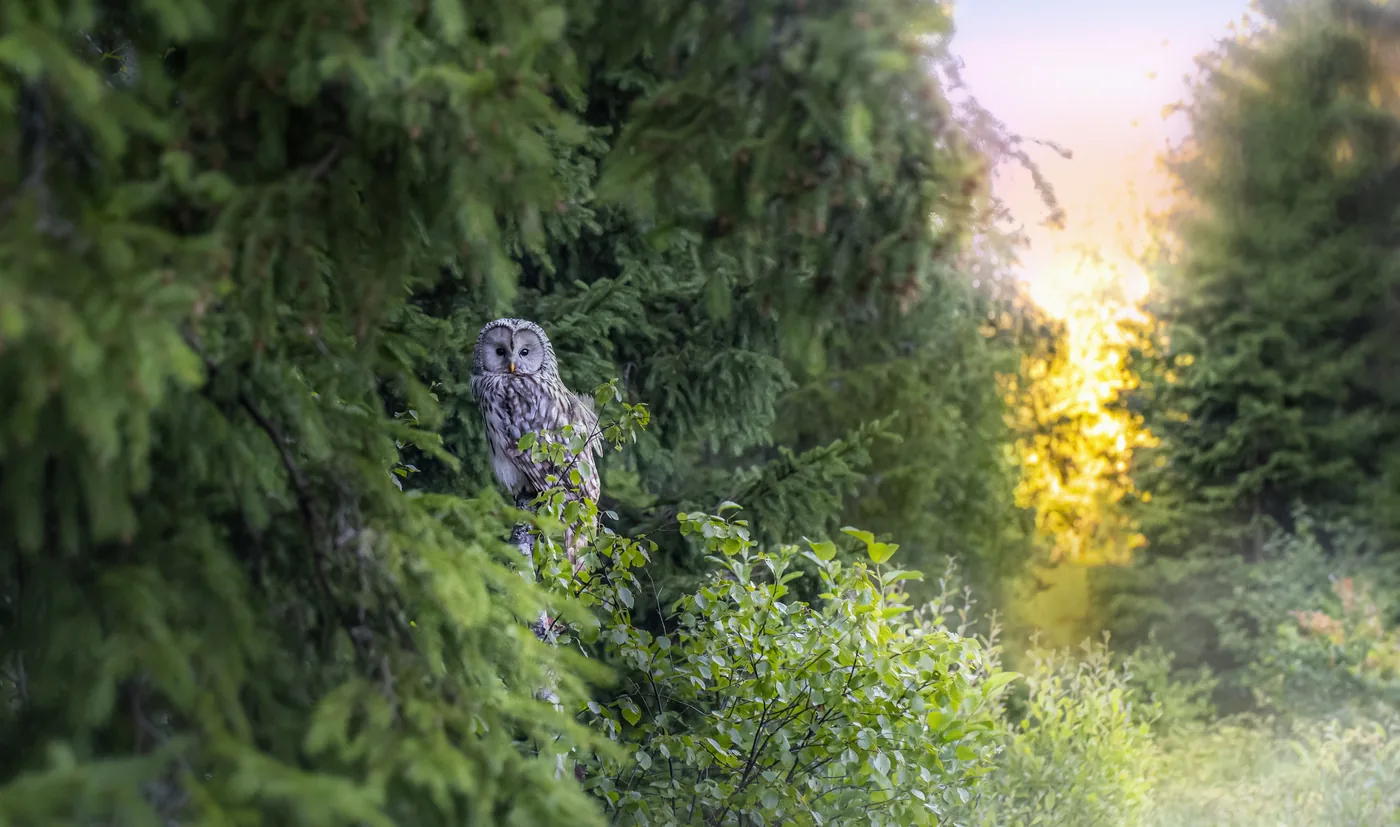
But their return is a useful kind of evidence, because it's difficult to fake. It either comes back or it doesn't, and no marketing budget can conjure a hedgerow full of insects.
A certificate is a document. The life in a vineyard is a consequence — and consequences are harder to manufacture.
Why this belongs on Free Bacchus
This is why farming practice sits at the centre of our standard rather than at its edges. We verify certifications against the bodies that issue them because documents can be checked, but we care about them mainly as a proxy for something physical happening in a field.
The habit that follows is a pleasant one. If you ever get the chance to walk a vineyard farmed this way — many estates will happily show you — go early, and listen rather than look. The difference between a farmed landscape holding life and one that's not tends to reach your ears before anyone explains it to you.
Go early and listen rather than look. It's the least technical verification available, and among the most convincing.
The receipt
What to take from this
- A hierarchical meta-analysis of 94 studies found organic farming raises species richness by roughly 30 percent.
- The effect has held across three decades of research and shows no sign of diminishing.
- Recovery arrives in sequence: flowering plants, then the insects that live in the soil, then songbirds, then the soil and water beneath.
- The honest complication: organic yields less per hectare, ecologists still debate land-sharing versus land-sparing, and in vineyards specifically pollinator abundance ran 11.6 percent lower under organic management.
- What's not disputed: on a given piece of farmed land, removing synthetic pesticides reliably increases the life on it.
- Biodiversity is a consequence rather than a claim — which is what makes it hard to fake.
Where the claims come from4
-
Tuck et al. (2014), Journal of Applied Ecology meta-analysis
pmc.ncbi.nlm.nih.gov ↗ -
IFOAM Organics Europe — biodiversity impacts overview
read.organicseurope.bio ↗ -
Scientific Reports — organic vineyards and biodiversity
nature.com ↗ -
Free Bacchus — The Verification Standard
↗