Free Bacchus Journal
If It Was This Hard
for Waterford imagine the ones you have never heard of
One of the most admired distilleries of its generation traced its barley to ninety-seven individual farms, published the science, and still went into receivership. The lesson isn't that rigour doesn't pay. It's that rigour, on its own, cannot pay for itself yet.
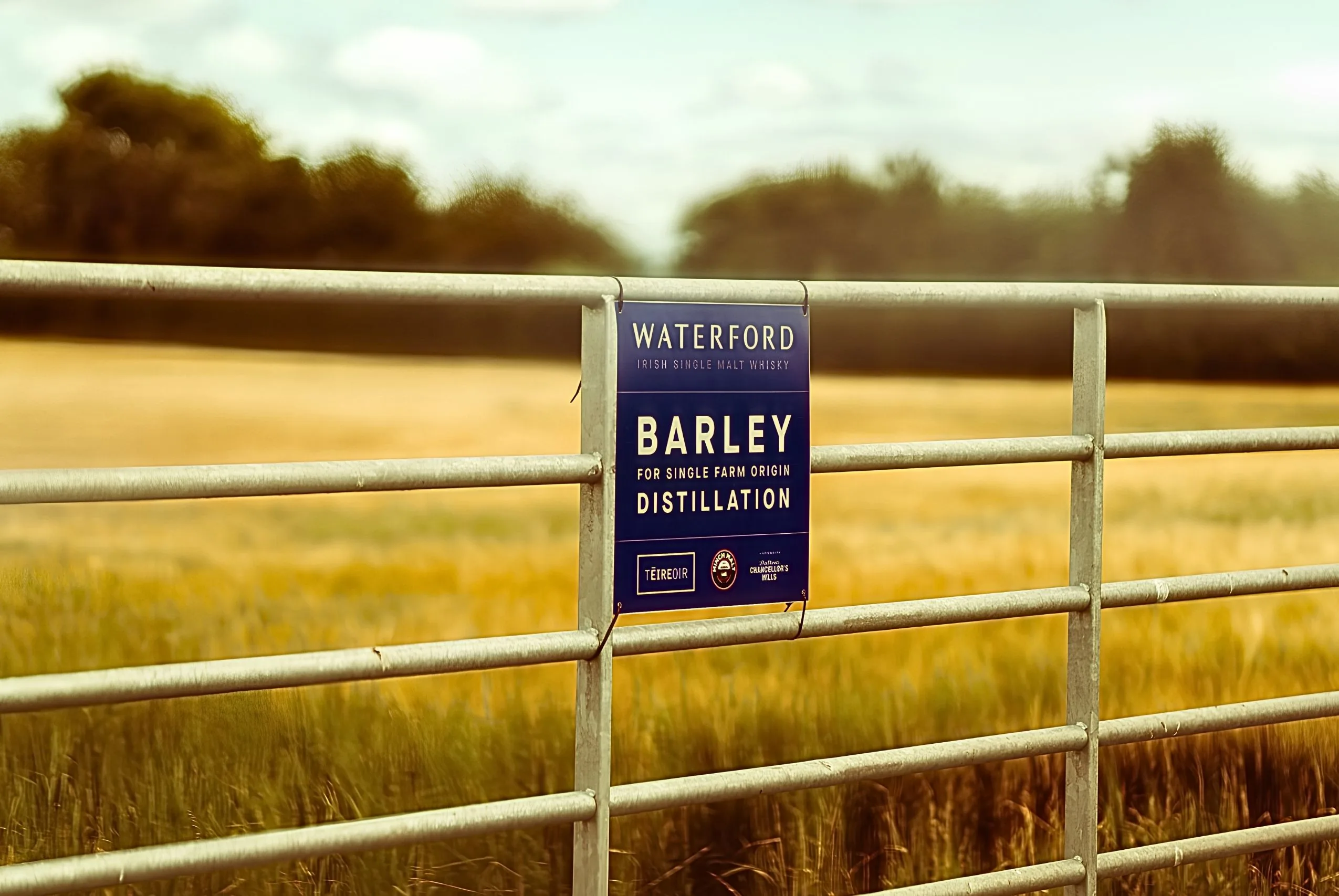
Every bottle Waterford ever sold carried a code on the back. You could type it into a website and see the field the barley grew in — the farm, the soil type, the person who planted it, the weather that season. Not a region. Not a county. A field. Nobody in whisky had done that before.
Doing it means keeping every farm's harvest separate through malting, storage, fermentation and distillation, never letting two fields meet in a tank. Whisky production is built to do the opposite: blend, average, smooth out, produce something identical year on year. Waterford built a distillery that refused to average anything.
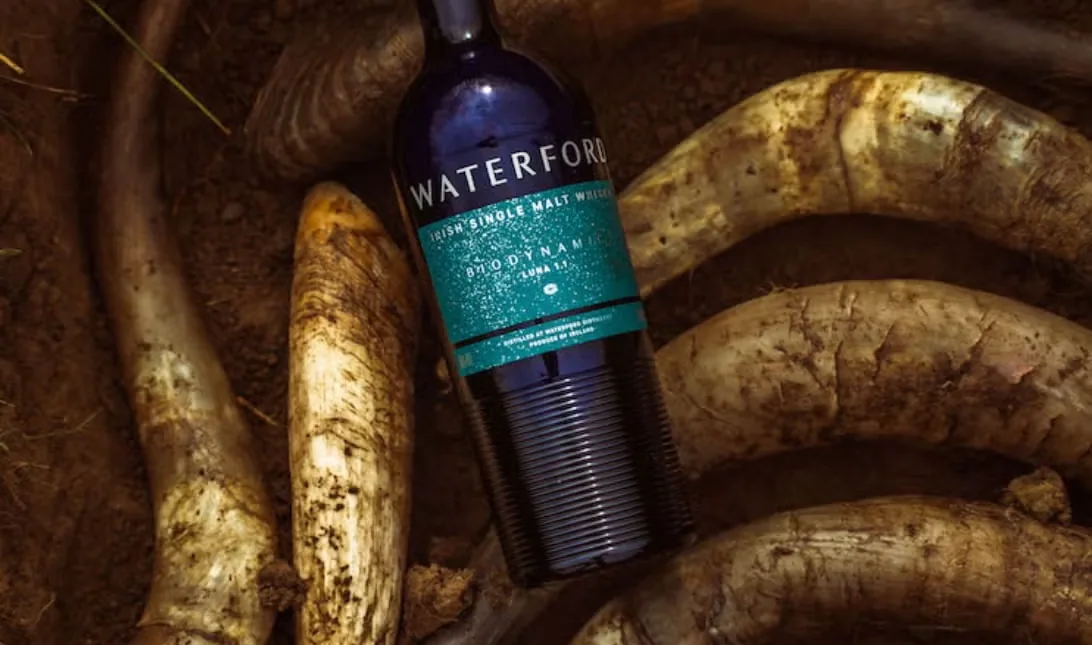
By 2024 it was sourcing barley from ninety-seven Irish farms across nineteen soil types, each harvest kept apart. It employed an agronomist. It co-authored a peer-reviewed paper on whether barley terroir was real. It worked with six biodynamic growers and earned Demeter and Organic Trust certification for its flagship Cuvée Luna.
In November 2024 it went into receivership. By March 2026 the distillery, brand and intellectual property had been sold to a Tennessee contract-distilling company for around six million euro.
The timing was cruel, and it is not the explanation
Waterford released its first bottles in March 2020, days before Ireland locked down. The tastings, bar launches and travel-retail showcases a young premium brand depends on vanished overnight. Then came the cost-of-living crisis, energy bills that rose sixfold, and interest rates that turned a growth loan into a millstone.
Timing alone doesn't explain it. The deeper problem was structural, and every ambitious distillery faces it regardless of the decade.
Whisky requires you to spend for years before you may legally sell anything, and Waterford's costs were higher than most: ninety-seven farms kept separate rather than one commodity shipment, long fermentations, slow distillation, biodynamic and organic certification, all carried while the spirit sat in barrels doing nothing a bank recognises as revenue.
Maturing stock was valued at between forty and one hundred and forty million euro against an annual turnover in the low single-digit millions. The value was real, and locked inside wood, while the bills came in cash the company did not have.
The first bottles are released — days before Ireland locks down.
Barley from 97 farms across 19 soil types, an agronomist on staff, a peer-reviewed paper, Demeter certification for Cuvée Luna.
The distillery enters receivership.
Distillery, brand and intellectual property sold to a Tennessee distilling group.
By the numbers
each distilled separately
apart from field to cask
the crisis that broke it
Nobody in this story is a villain
It's tempting to look for one. The larger distillers releasing cheap stock into a soft secondary market, the auctions where Waterford's own bottles changed hands below retail, the banks, the market that wouldn't pay for the rigour. None of them acted badly; they responded to conditions exactly as you would expect.
There was no villain, and it still happened. A distillery the industry admired, employing twenty people and publishing peer-reviewed research, could not convert admiration into cash fast enough to service its debts. The market never rejected the whisky; it had no mechanism for paying a premium for how the barley was farmed, because nothing made that farming legible to the buyer.
A producer who cuts a corner can uncut it to survive a bad year. A producer whose whole identity is refusing to cut corners has nowhere to go.
What was actually lost
Twenty people worked at Waterford. Neil Conway, the head brewer who gave the project eight years, described learning the news before Christmas as the worst Christmas of his life — no party, no goodbyes, just waiting. Mark Reynier, who founded the distillery after being outvoted on the sale of Bruichladdich, called the experience humiliating and exhausting, and wrote to those who had backed him that it was better to have tried and failed than never to have tried.
It wasn't only the people. Ninety-seven farming families had been offered something almost unheard of in modern agriculture: an assurance that their field, their soil, mattered enough to be kept separate and named. Six biodynamic growers had bet on a buyer who believed the moon belonged in a bottle of whisky. That trust, built over a decade, was put at risk by a single filing.
Even in failure Waterford set a standard worth aspiring to. The standard was right; nothing existed to keep the people who met it solvent.
Which is exactly the gap
We didn't build Free Bacchus because clean producers make lovely wine and spirits, though they do. We built it because a great many of them are running the race Waterford lost: undercapitalised, out-shouted, invisible to the drinkers who would choose them without hesitation if they knew they existed.
On one side, a growing number of people who read every label in their kitchen and would gladly pay a fair price for drink farmed with care. On the other, the producers doing exactly that work, often with no marketing budget and no distribution deal. The two cannot find each other, and in the gap between them excellent producers quietly disappear.
A platform can't repeal a pandemic or lower interest rates. But much of what killed Waterford was solvable: the invisibility, the inability to command a fair price, the absence of an audience who understood why the whisky cost what it cost. Those are the problems we work on: verifying producers, telling their stories accurately, and gathering enough people who care that rigour becomes something the market rewards.
The ones you have not heard of
Waterford may yet have a second life: its founder is still working to buy back the stock, and the distillery will run again under new owners. We hope it does. But what to take from this is not about Waterford at all.
If a distillery this celebrated — peer-reviewed science, international press, a famous founder, an extraordinary product — could come this close to disappearing, consider a producer with none of that. A family estate farming organically on twelve hectares somewhere unfashionable, no importer, no press, no code on the bottle. Their margin for error is far thinner.
When you find a producer whose farming you admire, buy the wine again. Tell someone. Ask your local shop to carry it. None of that is charity; it is the mechanism by which careful farming becomes economically rational rather than heroic. There is no shortage of people who admire rigour. The industry needs people who buy it twice.
The receipt
What to take from this
- Waterford traced its barley to 97 farms across 19 soil types, keeping every harvest separate from field to bottle.
- It launched in March 2020, days before lockdown, then faced sixfold energy costs and rising interest rates.
- Maturing stock was valued at €40–140m while annual turnover stayed in the low single-digit millions — real value, locked in wood.
- No party behaved badly. The market simply had no mechanism to reward how the barley was farmed.
- It entered receivership in November 2024 and was sold in March 2026 for around €6m.
- If a distillery this celebrated nearly vanished, consider the producers with no press, no importer and no code on the bottle.
Where the claims come from6
-
Whisky Advocate — Waterford goes into receivership after funding efforts fall short
whiskyadvocate.com ↗ -
Whisky Magazine — Neil Conway on the rise and fall of Waterford Distillery
whiskymag.com ↗ -
Whisky Magazine — Mark Reynier on the fate of Waterford Distillery
whiskymag.com ↗ -
The Drinks Business — Waterford Distillery enters receivership
thedrinksbusiness.com ↗ -
Irish Times — Receivers agree sale of Waterford Whisky to Tennessee Distilling Group
irishtimes.com ↗ -
Whisky Magazine — Waterford adds biodynamic whisky to its core range (Cuvée Luna)
whiskymag.com ↗