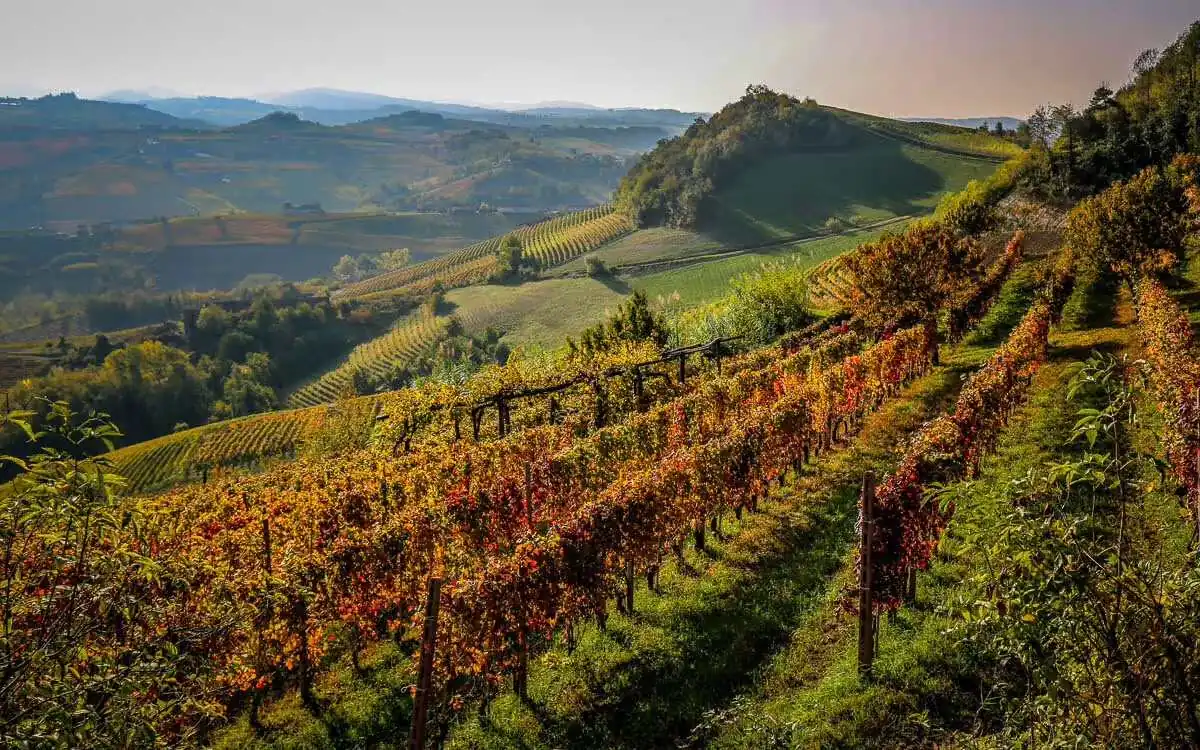
Weingut Emrich-Schoenleber
The Nahe is Germany's most undervalued serious wine region — a river valley south of the Mosel whose volcanic and weathered slate soils produce Riesling of a mineral intensity that sits somewhere between the Mosel's finesse and the Rheingau's weight, and that Emrich-Schoenleber has been translating into some of Germany's finest wines for two decades.
Werner and Frank Schoenleber farm the Monzingen Frühlingsplätzchen and Halenberg — two of the Nahe's most celebrated Grosse Lagen — under Respekt-Biodyn and EU certified organic standards. The biodynamic practice here is applied to soils that require little coaxing to express character: the volcanic porphyry and decomposed slate of the Halenberg produce a Riesling of such mineral depth that the farming's job is primarily to stay out of the way.
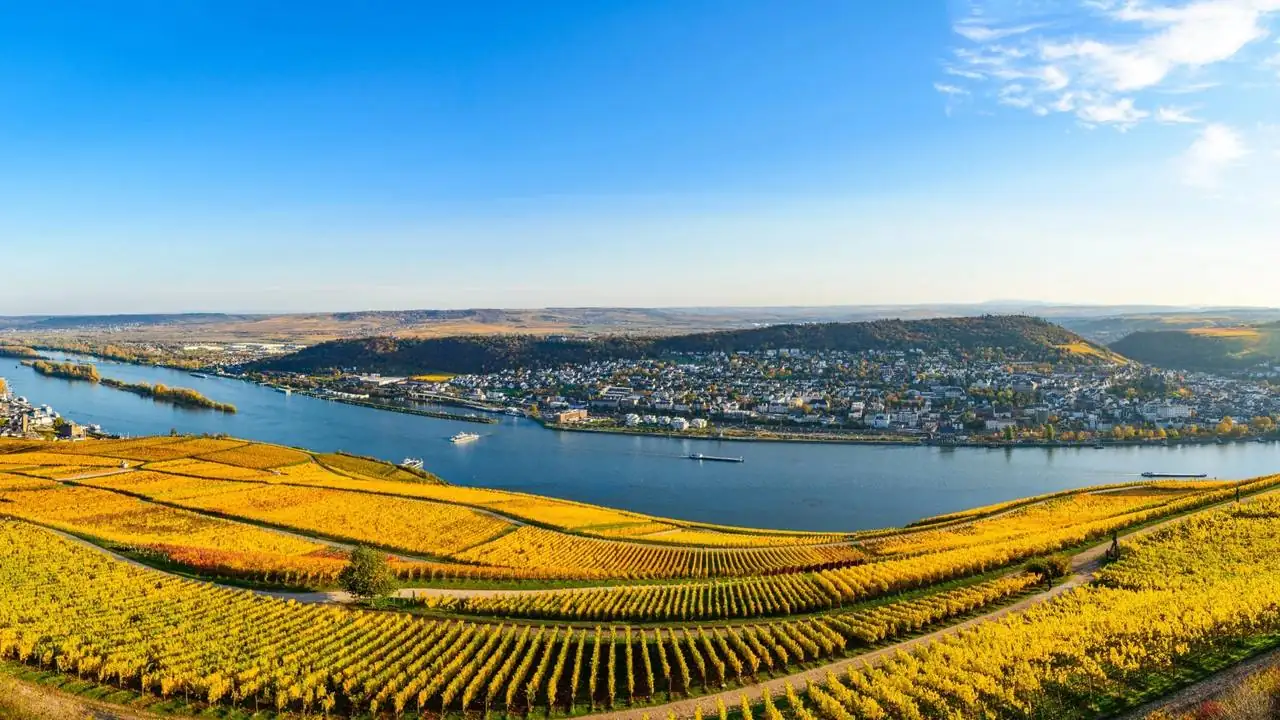
The Halenberg Grosses Gewächs Riesling has drawn 97 points from Wine Advocate and represents the clearest single-vineyard argument for why the Nahe deserves more international attention than it currently receives. The Frühlingsplätzchen Auslese and Spätlese are equally compelling in different stylistic registers.
Emrich-Schoenleber is a small family estate with no marketing operation to speak of. The wines find their audience through specialist importers and the collectors who have noticed that the Nahe is producing Riesling of remarkable quality at prices the Mosel grands crus left behind long ago.