Skip to content
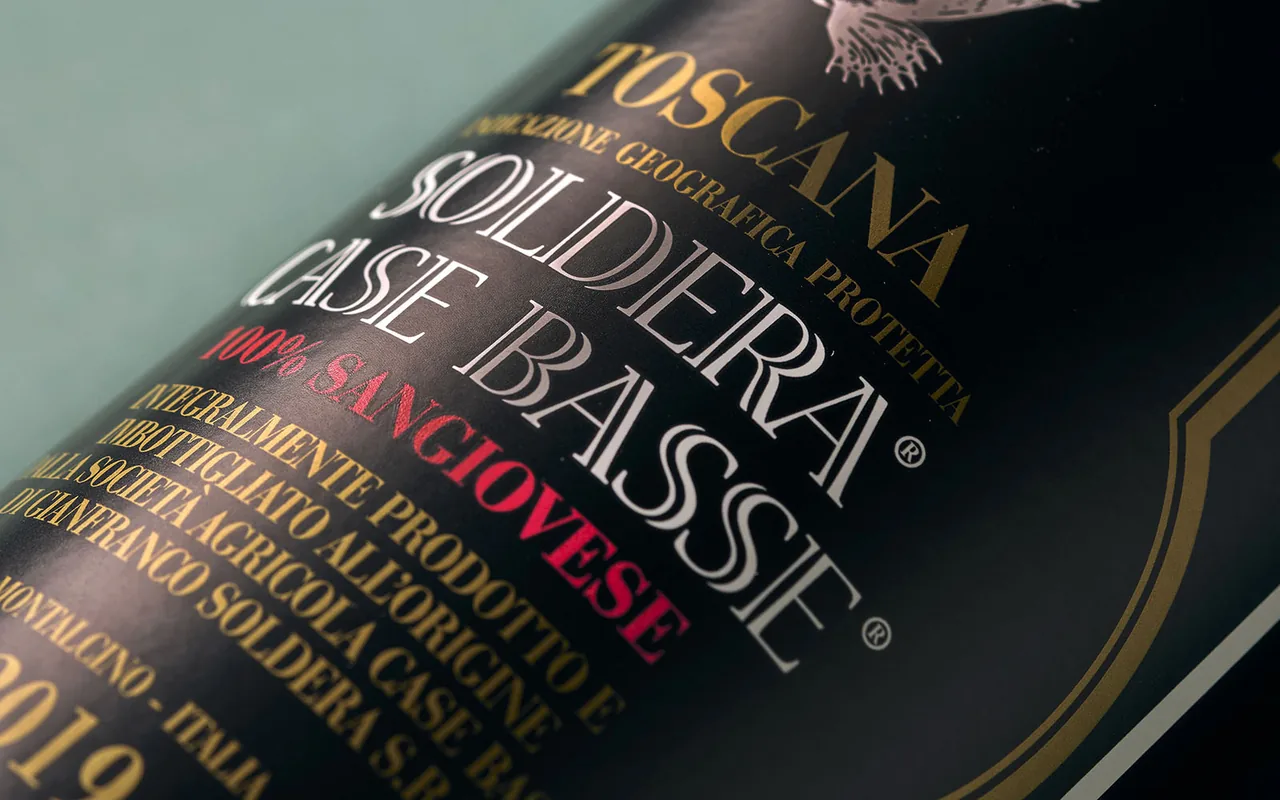
Soldera Case Basse
MontalcinoTuscanyItalyWine

Soldera Case Basse

sol-DEH-ra · Case Basse is KAH-zeh BAHS-seh
Gold Tier
Last verified · August 2026
Soldera Case Basse, Montalcino, Tuscany. The first vines were planted in 1972.

In 2012 someone entered the cellar at Case Basse and opened the taps. Sixty-two thousand litres of Brunello from multiple vintages drained onto the floor — years of work, irreplaceable, gone in a night.

Gianfranco Soldera rebuilt and carried on, which is consistent with everything else about how he worked. He began farming here in 1972 and set a standard the rest of Montalcino spent decades interpreting: perfect farming, perfect Sangiovese Grosso, years in large old Slavonian oak, more years in bottle, and a complete indifference to when the market would like the wine to arrive. The organic farming predates Italy's certification infrastructure entirely. He did not farm without chemistry because a movement asked him to; he farmed without it because it was incompatible with the wine he was trying to make.
Soldera Case Basse
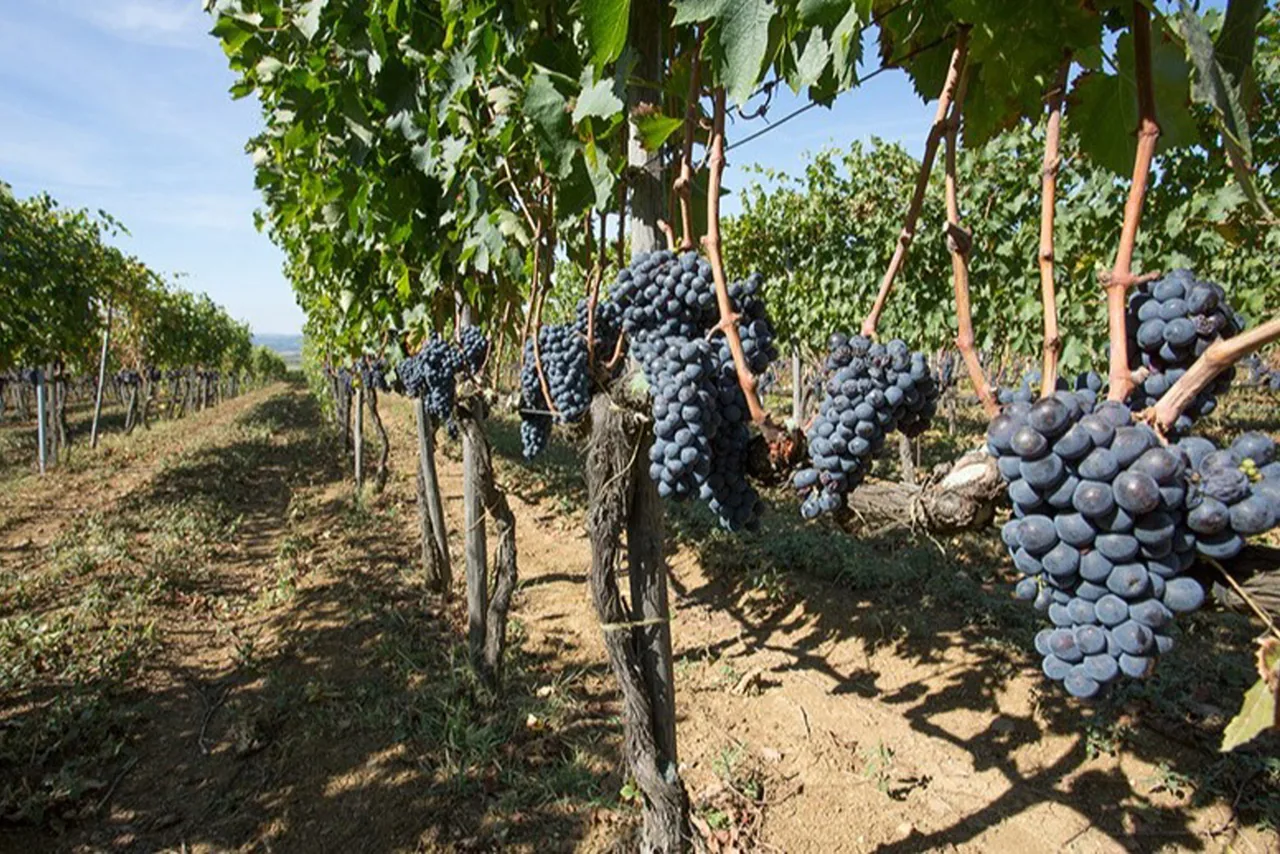
Sangiovese Grosso at Case Basse: yields among the lowest in Montalcino, vine age among the highest.

The Consorzio del Brunello offered to supply him with replacement wine so that he would have something to sell. Soldera turned it down on the grounds that it would not be fair to the people buying it, resigned from the consortium, and has bottled as Toscana IGT rather than Brunello ever since. Losing the appellation was a decision, not a punishment.

Yields are among the lowest in Montalcino, vine age among the highest, and cellar time before release among the longest, every element of the production model signalling that this is not wine made for anyone in a hurry.

Soldera died in 2019. His family manage the estate with the standards unchanged, which in a property built this completely around one person's conviction is not a small thing to maintain.

Why it’s remarkable

62,600 litres
six vintages opened onto the cellar floor in one night
On 2 December 2012 a former employee broke a window, entered the cellar and opened the taps on ten barrels, draining the 2007 through 2012 vintages into the drain. The commercial loss was put at around ten million euros. He was sentenced to four years in March 2013.
He said no
the consortium offered him replacement wine and he refused
The Consorzio del Brunello offered to supply wine so that he would have something to sell. Soldera turned it down on the grounds that it would not be fair to the people buying it, resigned from the consortium, and has bottled as Toscana IGT rather than Brunello ever since. Losing the appellation was a decision, not a punishment.
1972
he arrived from insurance in Treviso and planted the first vines
Born in Treviso in 1937, Gianfranco Soldera came to Montalcino in the 1970s from outside the wine trade entirely. The first Case Basse vines went in during 1972 and 1973, on land nobody then considered obviously promising.
16 February 2019
he died at eighty-two, driving near his own vineyards
A heart attack, on the road beside the estate he had made. The verification line on this page still records the certifying body as outstanding — the chemical-free practice here is long and well documented, but the paperwork behind it has never been confirmed to us, and we would rather say so.

Free Bacchus Verification

Track A
Formal third-party certification, confirmed against the issuing body’s own register.
Re-verified annually against the issuing body’s register. How re-verification works
Flagship
Sangiovese Toscana / Brunello
Best award
IWC Trophy / consistent 95-98pts across critics · IWC / Decanter

If you’re buying

Price
Around US$700 for the flagship bottling, which is allocated rather than openly sold. Approximate, and it moves with vintage and market.
Drinking now
These want fifteen years and more, and they are allocated in practice. Very few bottles are opened young.
Serving
Serve at 16–18°C. Decant well ahead — an hour at least, and there will be sediment.
Availability
Allocated — released to a limited list, so expect to wait or hunt.
Tastes like
Sangiovese of extraordinary depth and perfume — sour cherry, dried rose, tea and long, fine tannin. Never heavy.
Pairs with
Bistecca, roast game, or a well-aged pecorino.
Price bands are approximate and move with vintage, market and region. They are a guide, not a quotation.

Start here instead

Fontodi — Tuscan Sangiovese from a certified organic estate at around $110 — about a sixth of the price, and you can actually buy it.

Cheat sheet

Save it to your phone. Everything you need to recognise this producer, and three things worth saying about it, at a glance in a shop or across a table.

← Emidio PepeThe Verification StandardWeingut Clemens Busch →

More Verified Houses · Italy