Weingut Sepp Muster
The Free Bacchus Story
Sepp Muster says he came from the conventional side of farming. The change, he told the couple’s US importer, was ‘a big process, and not always easy’. He and his wife Maria had spent years travelling, with time in India and Australia, and had come across biodynamic farming before they came back to the place of their childhood in South Styria, on Austria’s border with Slovenia. There they took over the estate of Sepp’s parents, Rudolf and Theresia, at Leutschach, and they now run its 10 hectares with their children, Teresa, Elias and Flora. By its own account the estate has been a member of Demeter, the biodynamic association, since 2003.
Styria is the coolest and steepest corner of Austrian wine, and its whites are built on acidity rather than weight. Its Sauvignon Blanc sits closer to the Loire than to New Zealand’s Marlborough, and its Chardonnay goes by a local name, Morillon. The Musters grow both, along with Welschriesling, Gelber Muskateller and a few reds, and two of their whites are made the way red wine is. White grapes left to ferment on their skins come out amber and pick up some of a red’s grip, and the style has come to be called orange wine. The Gräfin is Sauvignon Blanc given about two to four weeks on its skins, and the Erde, Sauvignon with Morillon, gets twelve months. The other wines are named for the ground and the farm rather than the grape. Opok is the local word for the chalky marl under the vines, Graf has always been the farm’s own name, and Sgaminegg, from an old Slavic word for stony ground, comes from old vines rooted in pure Opok on the estate’s higher slopes.
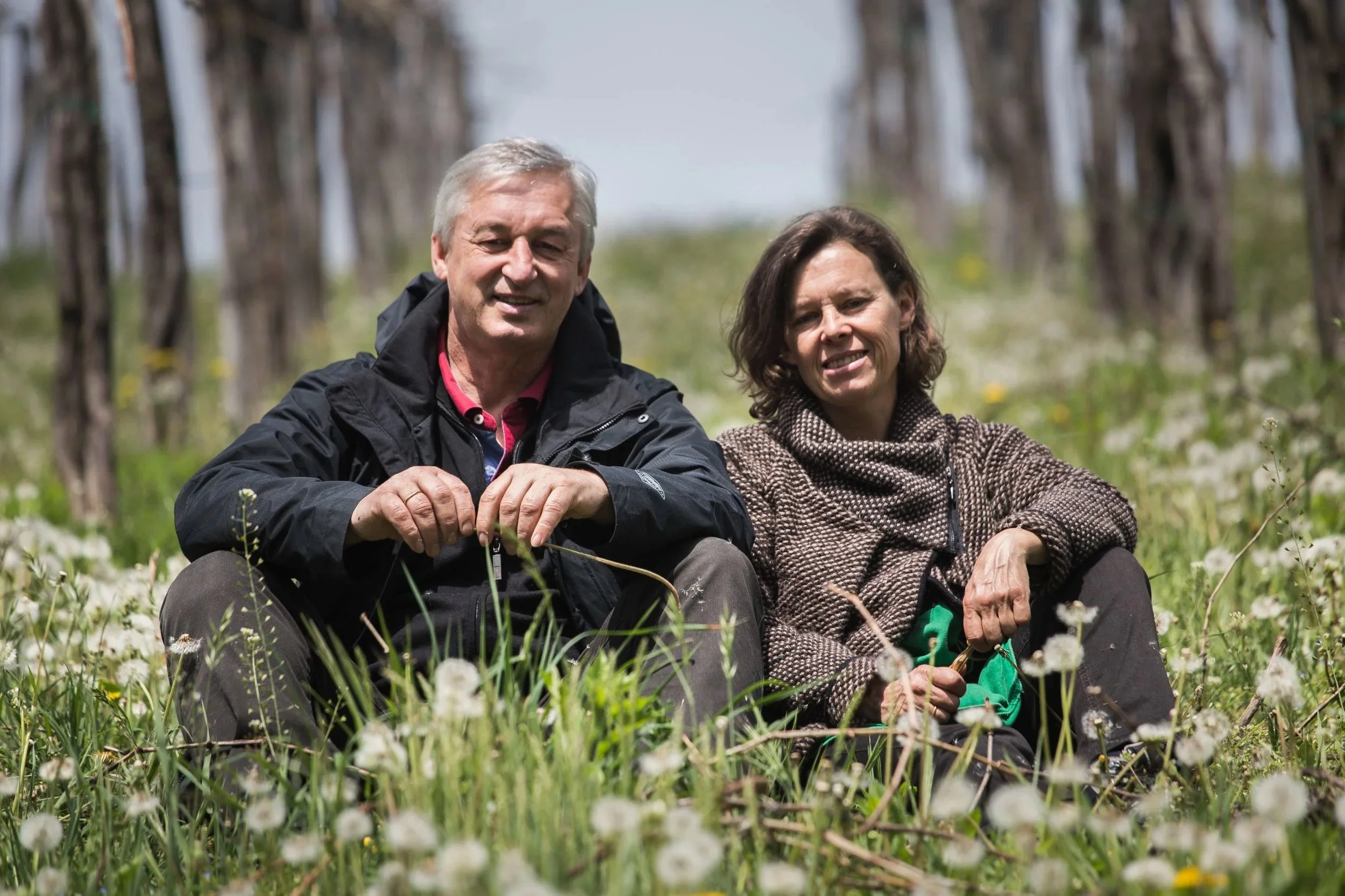
The vineyards surround the farm on all four sides. The estate’s roots go back to 1727, and its vineyards were first mapped in 1787, in the Habsburg survey known as the Josephinische Landesaufnahme. The vines are trained the way the knowledge was handed down to the estate, on chestnut-wood posts with a single wire at about 1.80 metres, their shoots left to hang free like those of the wild vine that once climbed trees. Winds off the nearby Koralpe mountains cool the summer nights, which lets the Musters pick late.
In the cellar the Musters let fermentations start on their own, prefer wooden casks and give the wines long ageing, and they would rather leave things out than add them. Peter Moser of Falstaff, the Austrian wine magazine, tasted the Gräfin 2017 at the end of 2019 and gave it 96 points, calling it ‘a classic orange wine of real dimension’. By his note it spent two years in used wooden barrels, and its back label carries the EU organic leaf, the code of the estate’s organic certifier and the Demeter mark.
Demeter Austria certifies the estate as biodynamic and carries it on its grower list of 1 June 2026. Austria Bio Garantie certifies its grapes and wine as organic, and the certificate records no non-organic production. The EU’s register publishes nothing for the estate before November 2023, so the 2003 date is the Musters’ own, and it dates their Demeter membership rather than a certificate.
“We discovered quickly that the soil is where everything begins.”
Why it’s remarkable
Free Bacchus Verification
Demeter Austria biodynamic · EU organic, Austria Bio Garantie
Certified2
- Demeter Austria, biodynamic: BFDI AT-3265480, ‘Muster Sepp Weingut Sepp & Maria Muster’, Leutschach, producer and processor, on Demeter Austria’s grower list of 1 June 2026
- EU organic, Austria Bio Garantie – Landwirtschaft GmbH (AT-BIO-302): Weingut Sepp u. Maria Muster, Leutschach an der Weinstraße (AT-BIO-302.040-0021008.2025.001), grapes, processed products and wine, valid 2 September 2025 to 31 January 2027
Also on record3
- The certificate records no non-organic production and no land in conversion
- The estate dates its Demeter membership to 2003; the EU register’s earliest published certificate for it is from November 2023
- BFDI shows the status ‘Other’ and no validity date, as on every Austrian Demeter record
If you’re buying
Cheat sheet
Save it to your phone. Everything you need to recognise this producer, and three things worth saying about it, at a glance in a shop or across a table.
From the Journal
More Verified Houses · Austria
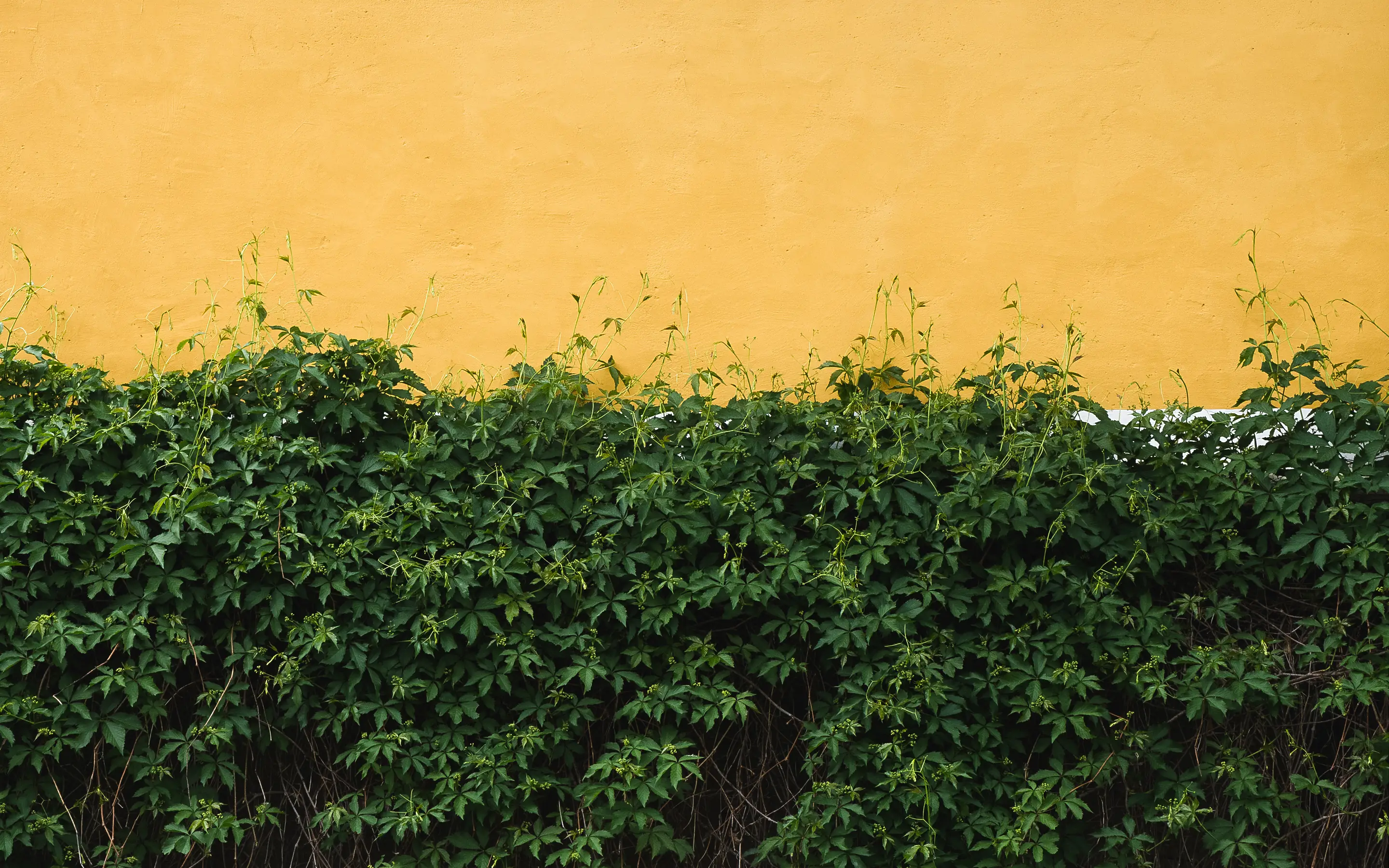
Photograph at the top of this page: The farmhouse wall above the vines, Leutschach by Marion Luttenberger, © Weingut Maria und Sepp Muster, via Weingut Maria und Sepp Muster. Cropped from portrait to landscape, resized and sharpened for this page.
