Weingut Herbert Zillinger
The Free Bacchus Story
Herbert and Carmen Zillinger began picking on 24 August 2026, earlier than they ever had, and brought in a smaller harvest than ever before. It was a season of heat, drought, heavy rain and hail at Ebenthal, in Austria’s Weinviertel, and the estate does not irrigate, even in one of the driest regions of the country. That September the couple wrote that they had chosen strict selection over yield, and that a year with fewer grapes does not make the costs any smaller.
Herbert took over his parents’ estate in 1998, at 20, with seven hectares of vines. Carmen, a trained speech therapist, joined him in 2005 and kept practising until 2016. Today the two of them run the estate together, on 16 hectares. By the couple’s own account, people say they never trim a wine toward good business or a better rating.
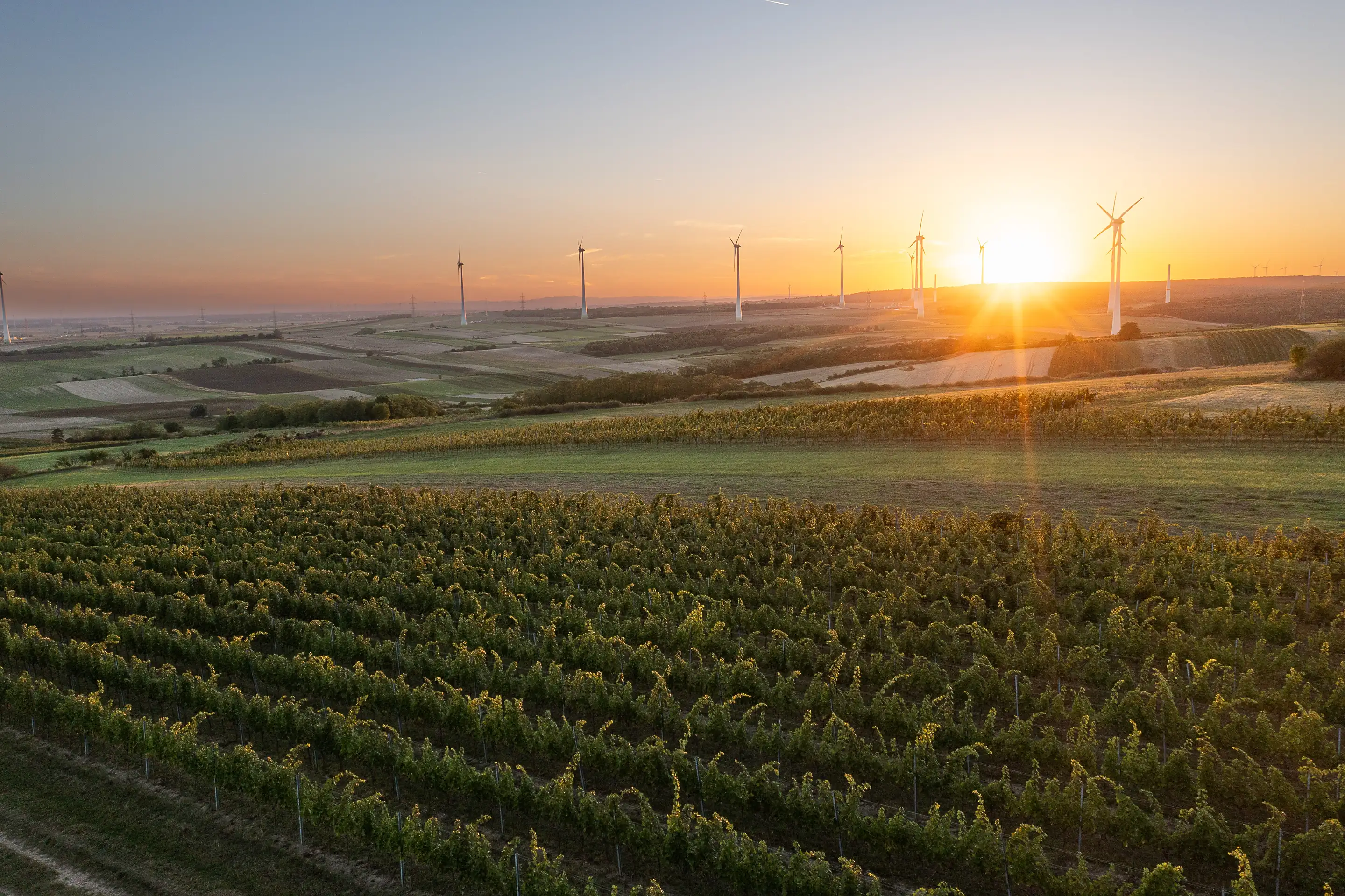
Grüner Veltliner is Austria’s own white grape, and if you have not met it, it is dry and medium-bodied, with a savoury, peppery edge where German Riesling runs to citrus and stone. It is the most important grape of the Weinviertel, Austria’s largest wine region, which in 2003 became the first region in Austria with a DAC designation of origin. The Zillingers bottle their wines without it. Their vineyards lie in the Vienna Basin, not far from the Slovak border, where the sediment that sets the tone is loess, a fine wind-blown silt that holds water and gives Grüner its volume in the mouth. The two sites that matter most are Hirschenreyn, very cool and exposed to the wind, its loess run through with clay, and Kalkvogel, on pure calcareous sandstone. Summers are hot, and only 400 to 600 millimetres of rain fall in a year.
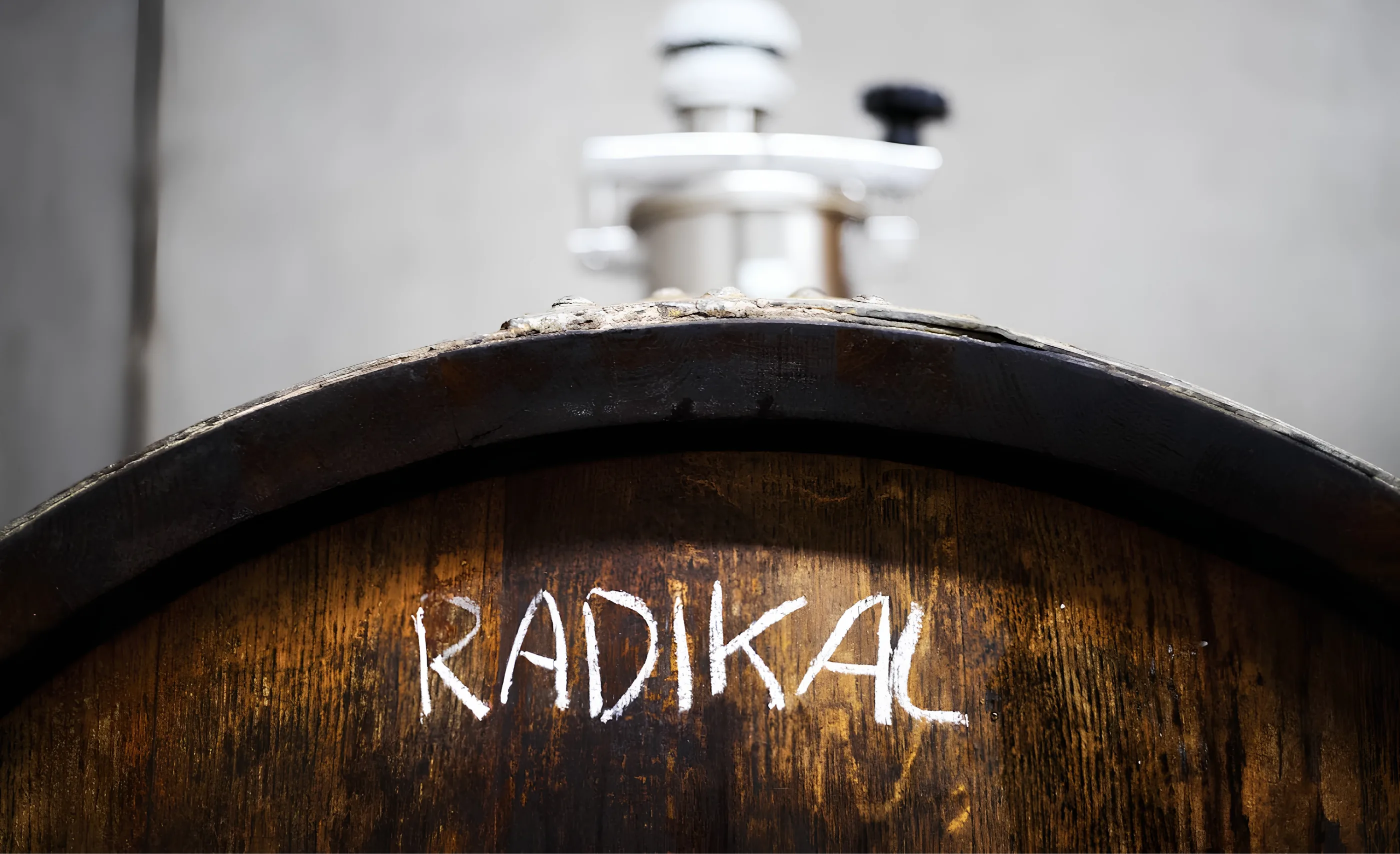
In the cellar nothing is added and nothing taken away, apart from a minimum of sulphur before bottling when it is needed. The wines ferment spontaneously, with no cultured yeast, no enzymes and no fining, in steel tanks, large wooden casks or concrete eggs. Radikal is the flagship, which the estate calls Herbert’s ultimate Grüner Veltliner: picked late, given intensive contact with its skins, bottled unfiltered, and dense without being high in alcohol. VINUM describes it as a top cuvée from the oldest vines on the calcareous sandstone, and Peter Moser of Falstaff gave the 2019 Radikal 94 points.
The organic certificate came first. On 2 December 2015 the couple announced that their conversion was over and that they were now officially 100 per cent organic, so 2016 was their first certified harvest. At the end of 2016 respekt-BIODYN, the association of biodynamic growers, took them in and 2017 was their first respekt-certified vintage. LACON, the control body that inspects respekt’s Austrian members, also certifies the estate to the EU organic standard, grapes and wine alike, with none of it in conversion and nothing non-organic made alongside. The estate holds no Demeter certificate.
“Wir haben weniger Trauben geerntet als jemals zuvor.”
Why it’s remarkable
Free Bacchus Verification
respekt-BIODYN biodynamic · LACON EU organic
Certified2
- Biodynamic, respekt-BIODYN: Carmen & Herbert Zillinger on its current member list; member since 2016, first respekt-certified vintage 2017
- EU organic, LACON GmbH (AT-BIO-402): Zillinger Herbert, Ebenthal (AT-BIO-402.040-0019653.2026.001), valid 22 July 2026 to 31 January 2028
Also on record3
- Grapes as organic production excluding the conversion period, and wine as production of organic products, with no non-organic production recorded
- The estate dates its organic certification to 2 December 2015, before the register’s first certificate of 31 October 2023
- No Demeter certificate
If you’re buying
Cheat sheet
Save it to your phone. Everything you need to recognise this producer, and three things worth saying about it, at a glance in a shop or across a table.
From the Journal
More Verified Houses · Austria
Photograph at the top of this page: The Zillinger vineyards at Ebenthal at sunset, from a drone by Weingut Herbert Zillinger, © Zillinger, via Weingut Herbert Zillinger. Resized and sharpened for this page.
