Domaine Le Roc des Anges
The Free Bacchus Story
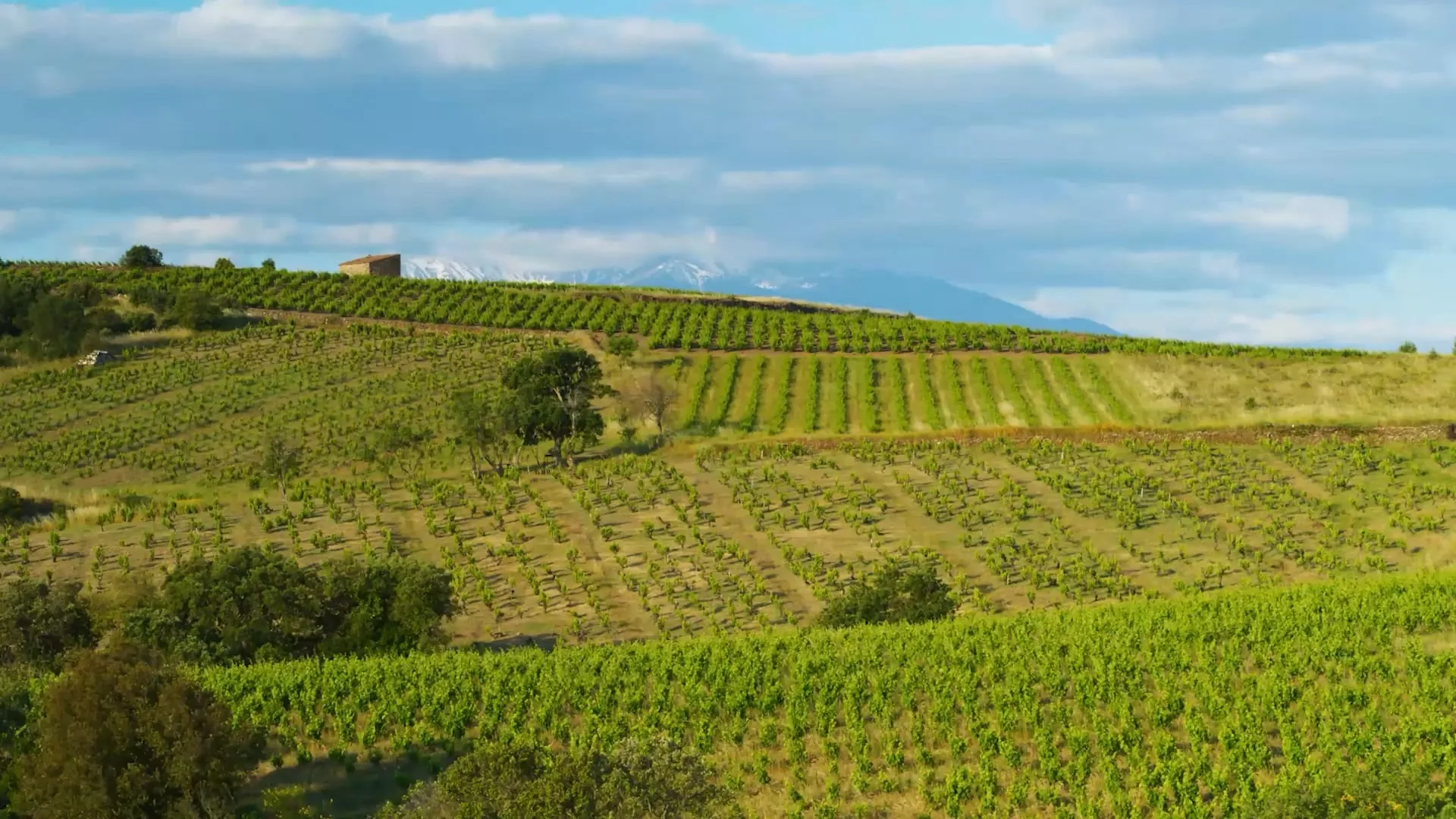
Marjorie Gallet was 23 when she started Le Roc des Anges in 2001, at Montner, a small village in Roussillon. She had spent 2000 working for Gérard Gauby, whose estate at Calce had been certified organic since 1996, and she began on her own, with 10 hectares of vines already a century old. She chose slopes that face north, away from the sun, an important choice in a region this hot. The name comes from a single Carignan vine planted on a vein of quartz, where a slope of white rock shows through the black schist.
Roussillon is the last stretch of France before Spain, where the Pyrenees come down to the Mediterranean, and it is hot and dry. For most of the last century its name meant sweet wines fortified with brandy and cheap red from Carignan, a grape that will give 200 hectolitres a hectare if nobody holds it back. When the European Union began paying growers to pull up vines in 1988, Carignan lost more ground than any other French grape. It is tough on its own, high in acid and tannin, and Grenache is the partner that softens it. What survived on the schist, a flaky rock that drains fast and sends roots deep for water, includes some of the oldest vines in France, and from them the region’s best growers now make dark, dry reds a long way from the old reputation.
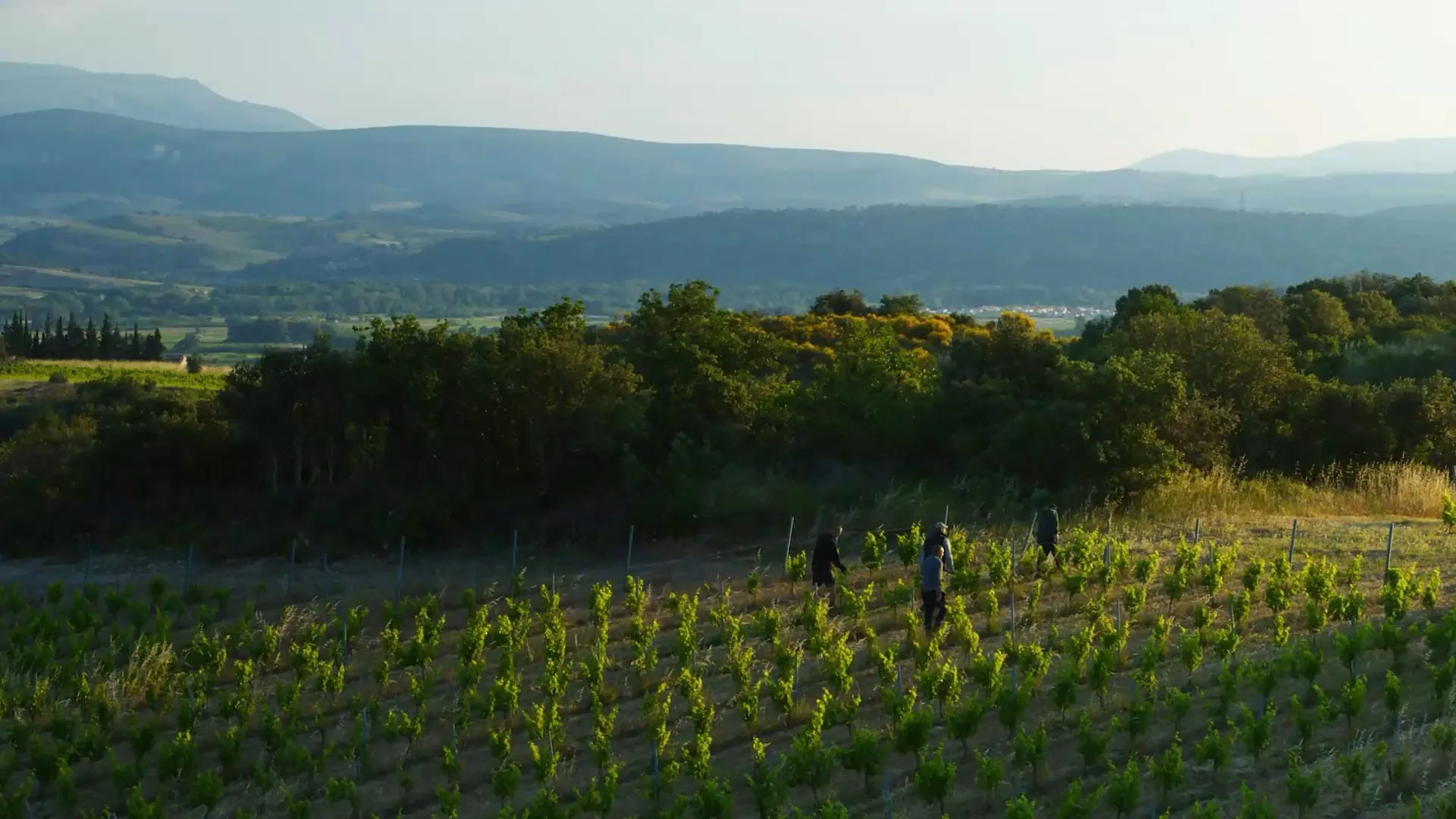
Stéphane Gallet, whom Marjorie had met at agronomy school in Montpellier, joined her in 2008, and together they grew the estate to 50 hectares. They farmed organically from 2008, by their US importer’s account, and entered certification with Bureau Veritas in April 2010; the first harvest on the organic certificate is 2013. They went biodynamic from the 2011 vintage, and Biodyvin, the biodynamic growers’ syndicate, has counted the estate a member since 2013. All of that covers the estate’s own wine. The Roc des Anges name also goes on L’Effet Papillon, a cheaper red, white and rosé sold as a négoce wine, the trade’s term for one made from bought-in grapes or wine, and neither organic certificate names it.
The Gallets have since sold the majority of the estate to Thibault Ponthier. iDealwine dates the sale to 2023, The Drinks Business to April 2024. Ponthier comes from a family of fruit growers, trained in Burgundy at Mugneret-Gibourg, Trapet and Philippe Pacalet, and spent three years alongside the founders. 2023 was the Gallets’ last vintage on their own; the three of them made 2024 and 2025 together. Across the region, he says, growers are turning from organic back to conventional farming, because organic grapes no longer fetch a better price.
La Revue du vin de France credits Carignan 1903 with much of the estate’s fame. It is Carignan alone, from vines planted in 1903, and the 2023 gave just 15 hectolitres a hectare. Segna de Cor, a younger-vine blend of Grenache, Syrah, Carignan and Cinsault, is the way in, ready to drink the day it is opened.
“I talked with many winemakers there who told me we should not come here.”
Why it’s remarkable
Free Bacchus Verification
Bureau Veritas EU organic · Biodyvin biodynamic · estate wines only
Certified2
- EU organic, Bureau Veritas (FR-BIO-10.250-0084037): SCEA Roc des Anges, under control since April 2010, harvests from 2013
- Biodynamic: Biodyvin, member since 2013, labelled
This page covers
The estate’s own wines.
Not covered1
- The négoce line L’Effet Papillon, named on neither organic certificate
If you’re buying
Cheat sheet
Save it to your phone. Everything you need to recognise this producer, and three things worth saying about it, at a glance in a shop or across a table.