Domaine Drouhin-Vaudon
The Free Bacchus Story
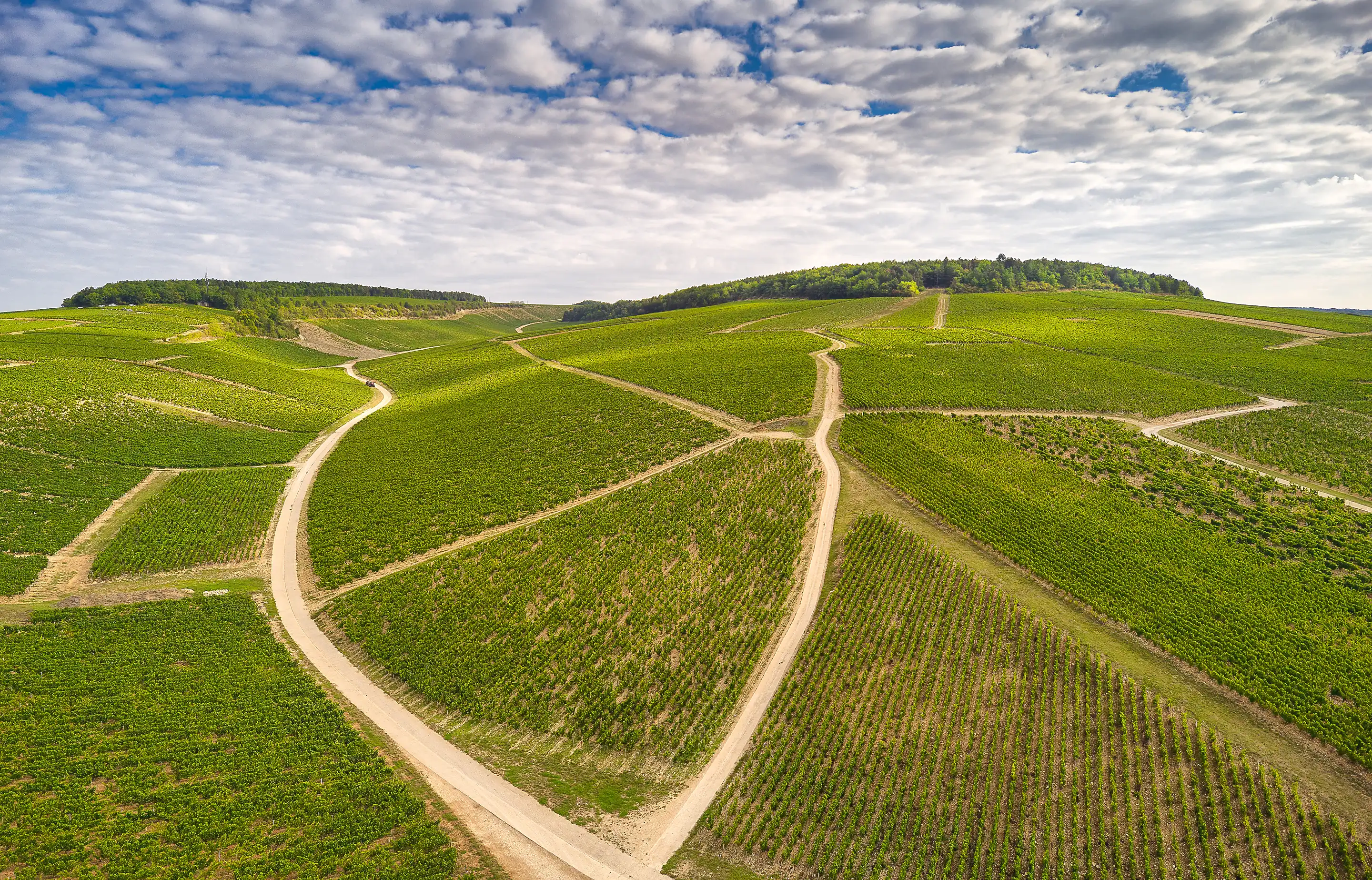
In 1968 Robert Drouhin, who had run his family’s wine house in Beaune since the age of 24, started buying vines in Chablis. It was not an obvious bet. Phylloxera had ravaged the region a century before, and by the 1960s, the family says, its vineyards had been all but abandoned. Burgundy’s wine board counts no more than 550 hectares of vines in Chablis in 1955, against about 5,800 today. Drouhin took nearly 40 hectares in the historic heart of the appellation, and with them the Moulin de Vaudon, an eighteenth-century watermill straddling the Serein river. It is still the estate’s headquarters.
His eldest son, Philippe, came back to the estate for the 1988 vintage, and the family still calls him the man of the vines. In 1990 he began bringing organic practices into the family’s vineyards, and from 1997 many biodynamic ones: grass left between the rows to keep the weeds down, natural compost for fertiliser, treatments made from herb infusions, and horses to plough some of the steepest plots. The family applied to the certifier Ecocert in August 2006, and after the three-year conversion a vineyard has to serve, its grapes were certified organic from the 2009 harvest. His sister Véronique studied oenology, the science of winemaking, at the University of Dijon, the only woman in her class of 1985. She is the family’s oenologist, and the tasting notes for these wines carry her name.
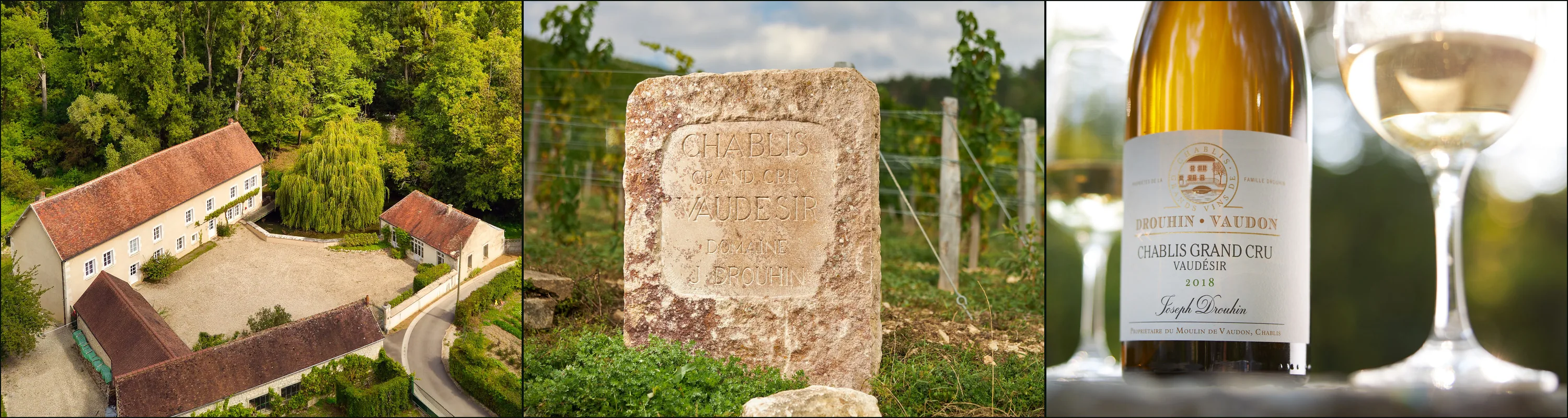
Chablis sits at the northern end of Burgundy, and every bottle of it is dry white wine from Chardonnay. What changes is where on the hills the grapes grow, and the label says so. Burgundy’s wine board sorts the region into four appellations. Petit Chablis comes from the higher slopes and the edge of the plateau, and is generally drunk young, ideally about two years after the harvest. Chablis and Chablis Premier Cru fill the middle. At the top are the grands crus, seven named vineyards on the right bank of the Serein, which together make about 1.5 per cent of the region’s wine and keep for ten to fifteen years. Oak is used sparingly in Chablis, and seldom new, which is one reason the wine reads lean and stony rather than rich and buttery. The Drouhins age their village and premier cru wines in stainless steel and ferment their grands crus in oak barrels, none of them new. The family has vines in four of the seven grands crus. Its share of Bougros, the one with the steepest slope, is 0.4 hectares by the count of the Union des Grands Crus de Chablis, and Wine Enthusiast’s Anne Krebiehl MW gave the 2018 Bougros 97 points.
Frédéric, the youngest of Robert’s four children, has led the house as president of its executive board since 2003, and he signs its vintage reports. Two of them make hard reading. On the night of 5 April 2021 a frost settled over all of Burgundy, and in a few hours the temperature fell to minus 7°C; losses, mostly in Chardonnay and on the slopes, ran from 50 to 100 per cent. On 1 May 2024 hail struck part of the premier and grand cru vineyards of Chablis, and by mid-May mildew had set in. The natural treatments the family’s organic and biodynamic teams rely on did not always save the harvest, he wrote, and some of the house’s wines were not made that year at all.
Not every bottle that says Drouhin-Vaudon is covered here. Maison Joseph Drouhin is a négociant as well as a grower, which means it also buys grapes and must, the freshly pressed juice, from partner growers, and since the 2008 vintage every Drouhin Chablis has carried the Vaudon name. This page covers six wines: the Chablis Réserve de Vaudon, which the family says is picked exclusively on its own properties, the Premier Cru Montmains, and the Grands Crus Les Clos, Vaudésir, Les Preuses and Bougros, whose pages list no bought fruit. They are made from the family’s own grapes, which Ecocert certifies organic, although some of the family’s Chardonnay is still in conversion. The certificate covers the grapes, not the wine, so the six wines themselves are not certified organic, and in 2010 the family chose to announce its certificate in press releases and on its website rather than with a seal on the label. Biodynamics is practised here, not certified. The Petit Chablis, Chablis, Chablis Premier Cru, Vaillons and Mont de Milieu carry the same Drouhin-Vaudon name but are made partly from grapes and musts bought from partner growers, so this page does not cover them.
“Philippe went further than I.”
Why it’s remarkable
Free Bacchus Verification
Ecocert EU organic grapes · six estate wines only
Certified2
- EU organic, Ecocert France (FR-BIO-01), grapes only: SARL Domaine du Moulin de Vaudon at Chichée (FR-BIO-01.250-0017375, to March 2027; engaged August 2006, organic from the 2009 harvest)
- Also held by the family’s other companies, each on a grape certificate of its own
This page covers
The six estate wines: Chablis Réserve de Vaudon, Premier Cru Montmains and the Grands Crus Les Clos, Vaudésir, Les Preuses and Bougros.
Not covered1
- The Petit Chablis, Chablis, Chablis Premier Cru, Vaillons and Mont de Milieu, sold under the same Drouhin-Vaudon name, made partly from bought grapes and musts
Also on record3
- The certificates cover the grapes, and the family’s wines are not certified organic
- Some Chardonnay still in conversion
- Biodynamics is practised, not certified
If you’re buying
Cheat sheet
Save it to your phone. Everything you need to recognise this producer, and three things worth saying about it, at a glance in a shop or across a table.