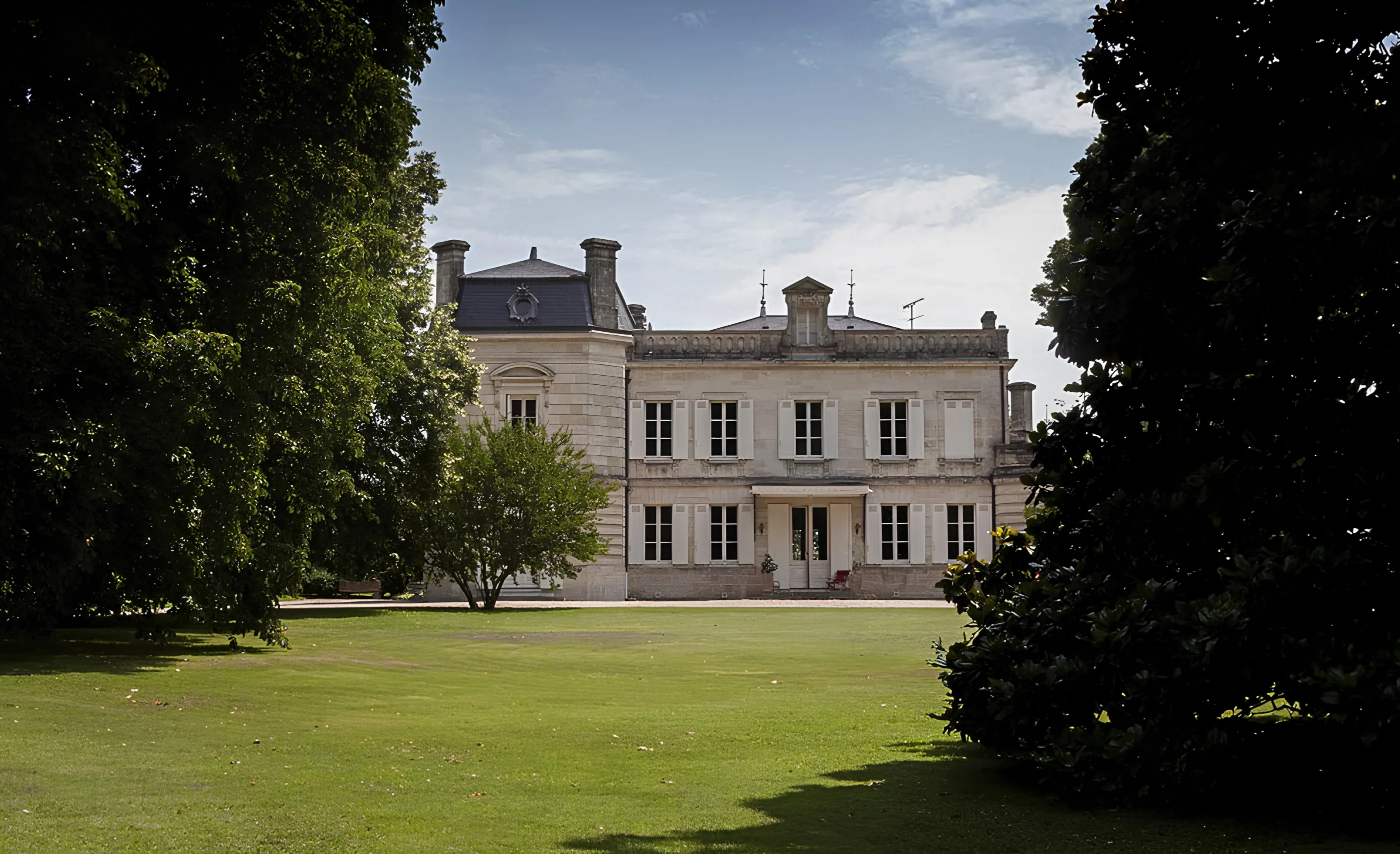
Château Mazeyres
The Free Bacchus Story
On the nights of 27 and 28 April 2017 the temperature fell to minus six in places, and frost badly damaged 57 per cent of the parcels. The estate harvested 17 hectolitres a hectare, against 43 the year before, and made 37,733 bottles of Château Mazeyres instead of 79,200. A wet spring in 2018, the first biodynamic vintage, brought mildew, a parasitic fungus, and losses the château calls partly controlled but very real; the yield was 25 hectolitres. In 2021 frost on 7 April destroyed a quarter of the crop, mildew came back in the summer, and the yield fell to 17 again. The château called that year a lesson in humility.
The Société Générale bank’s pension fund bought Château Mazeyres from the Querre family in 1988, and for the next 32 years the estate stayed with the bank, from 2010 through Sogecap, its life-insurance arm. In 1992 the running of it went to Alain Moueix, a viticultural engineer and oenologist from the fourth generation of a Libourne family of growers and merchants. Until the end of the 1980s the vineyard had been just over eight hectares; today it is 25.5. Once Sogecap had it, Biodyvin says, the château was run like a family property, which let Moueix see his convictions through. At Château Fonroque in Saint-Émilion, the family estate he had looked after since 2001, every vine had been farmed biodynamically since 2002. In 2010 he introduced biodynamics at Mazeyres, so that the team could learn it by example.
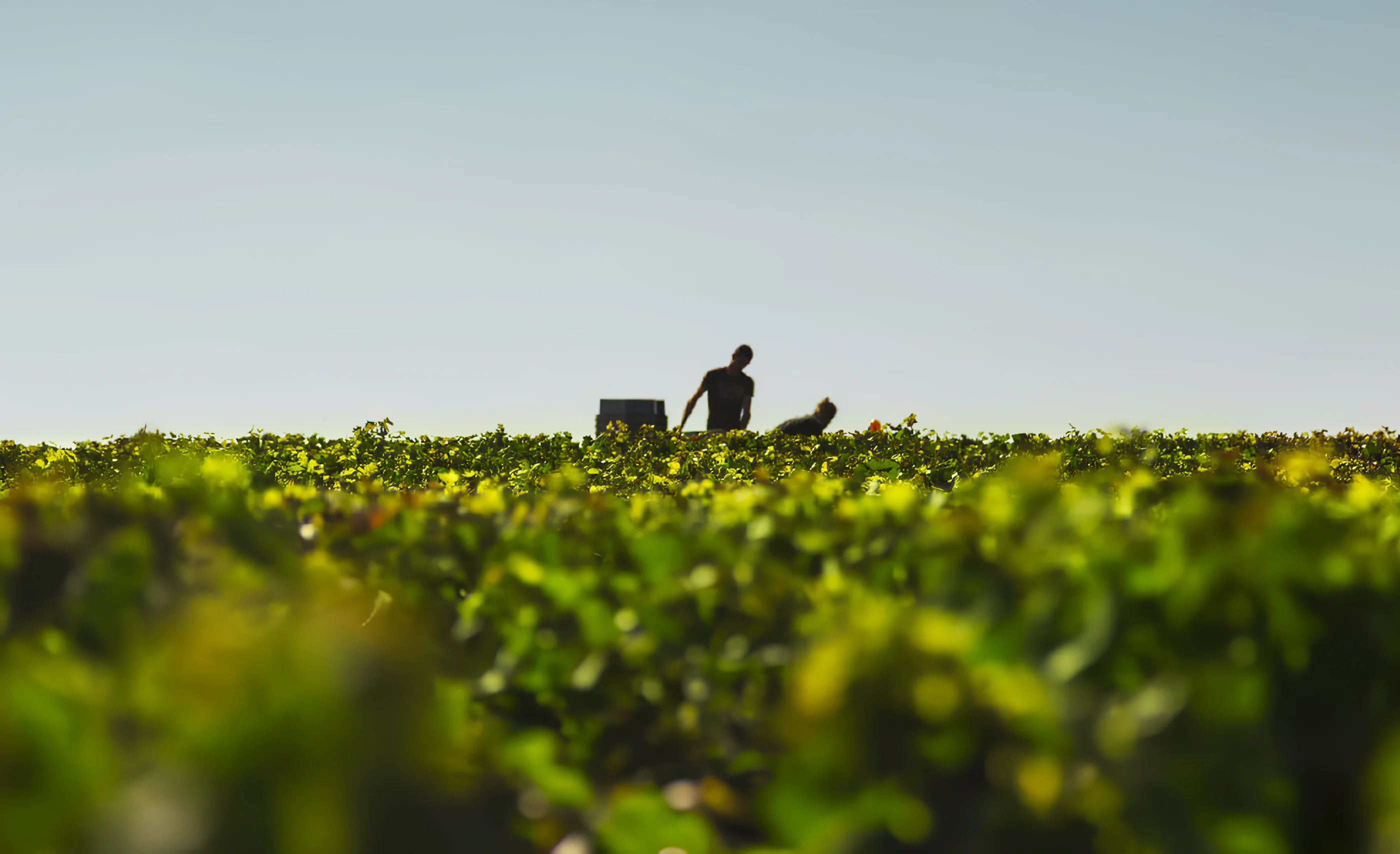
Going biodynamic takes patience, because the organic certificate comes first. Mazeyres signed on with the certifier Ecocert in July 2012, and a vineyard has to serve three years of conversion before its grapes may be called organic, so the 2015 was its first certified organic vintage. That year it joined Biodyvin, the growers’ syndicate whose biodynamic label it now carries, and it farmed biodynamically for three more years before the 2018 became its first vintage certified biodynamic. By the château’s own count, that made eight years of biodynamics across the whole vineyard before a certified bottle. Falstaff tasted the 2019 Château Mazeyres, the second vintage certified biodynamic, in February 2022 and gave it 92 points.
Pomerol is one of the smallest appellations in Bordeaux, 813 hectares on a plateau that shelves down to the river Isle, with the Barbanne stream to the north, Saint-Émilion to the east and the town of Libourne to the south-west. It is on the right bank, and that makes it Merlot country. Merlot covers 80 per cent of its vines, Cabernet Franc 15, and Cabernet Sauvignon, the grape of the left bank’s gravel, just 5. The Bordeaux wine council calls the reds of Saint-Émilion, Pomerol and Fronsac silky, rounded and fruit-forward, describes Pomerol as velvety, with hints of truffle, violets and red berries, and reckons it needs five to ten years in the cellar to show what it can do. Unlike Saint-Émilion next door, Pomerol has never tried to classify its wines, so the pecking order is read from reputation and price. Mazeyres sits inside Libourne itself, around a Directoire manor, and is one of the largest estates in the appellation. It grows no Cabernet Sauvignon at all. Its soils are light, sand and fine gravel, so they warm up fast, and the château says the grape does much better in the Médoc than here. As hot vintages became regular it raised its share of Cabernet Franc, which keeps its backbone even when very ripe, and added a little Petit Verdot, a Médoc grape only recently allowed in Pomerol, for its natural acidity.
In 2020 Sogecap sold Mazeyres to the family of Hubert Guillard, an insurer from Nantes, who had bought Fonroque three years earlier. Moueix had brought the two sides together and stayed on to run both estates, and in 2021, after 29 years as director, he became Mazeyres’s consultant. Since March 2026 Judith Barat has been general director of both châteaux, with Thomas Cézac in the cellar at Mazeyres. The estate makes two wines, Château Mazeyres and a second wine, Le Seuil de Mazeyres, and both come from the one certified vineyard.
“Mais c’est le vivant qui décide, pas la tradition.”
Why it’s remarkable
Free Bacchus Verification
Ecocert France EU organic · Biodyvin biodynamic
Certified3
- EU organic, Ecocert France (FR-BIO-01.250-0073950, to March 2027): engaged July 2012, organic from the 2015 vintage
- Biodynamic: Biodyvin, member since 2015 and labelled Biodyvin, biodynamic from the 2018 vintage
- The whole estate, grapes and wine: the certificate lists Pomerol red from 2015 to 2025
Also on record1
- No non-organic production is declared
If you’re buying
Cheat sheet
Save it to your phone. Everything you need to recognise this producer, and three things worth saying about it, at a glance in a shop or across a table.