Skip to content
Round stone building with a conical slate roof and red doors lettered Durfort, seen through grass and yellow flowers at dusk
Margaux, Bordeaux, FranceFranceRed Bordeaux blend

Château Durfort-Vivens

dur-FOR vee-VAHNSS · Margaux is mar-GOH
Gold TierTypically $45–90
Last verified · October 2026

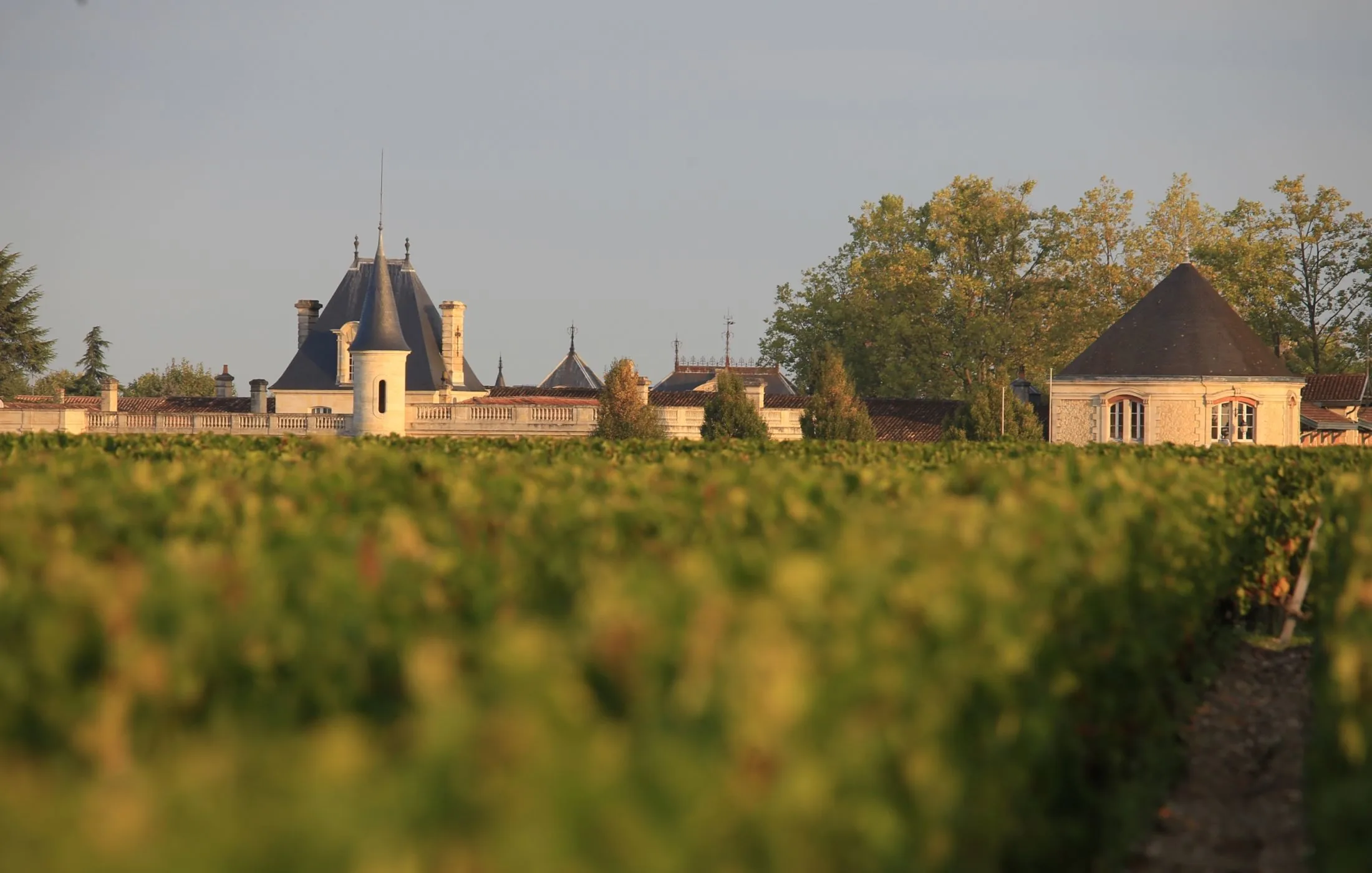
There are sixty-one red wines in Bordeaux's 1855 classification, and all but one come from the Médoc. Only a handful of them hold a biodynamic certificate, and Durfort-Vivens was among the first to earn one.

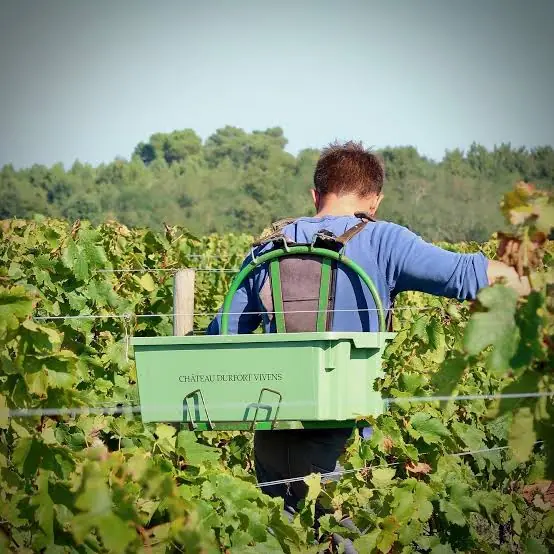
Gonzague Lurton started small. In 2009 he farmed about a fifth of the vineyard biodynamically, and by the 2013 harvest the whole estate was farmed that way. The certificates came with the 2016 vintage, organic from Ecocert and biodynamic from Demeter, and both are still in force today.
Dark grape pulp pouring from a red-striped hose into the wide mouth of a terracotta jar, a hand and forearm at the edge

Durfort-Vivens is a Margaux Second Growth, which under the 1855 list places it in the tier immediately below the firsts. The vineyard is nine parts Cabernet Sauvignon, and the critics who taste the wine keep finding violets, lavender and iris alongside blackberry and blackcurrant.

Gonzague Lurton has said his father farmed at a time when everyone farmed conventionally, and thought he had lost his mind when he proposed going organic and biodynamic. He owns the property outright, which is the reason he could ignore the advice.

Farming this way in Bordeaux's damp climate carries real risk. In 2018 mildew took four fifths of the crop. Yields fell to about 10 hectolitres a hectare, against a normal 45, and only 6,000 bottles of the grand vin were made. Lurton fermented the little that survived entirely in clay amphorae.

“I am the only owner of my vineyard — I take my own risks.”
Gonzague LurtonOwner, on converting a classified growth to biodynamics, 2021 · The Buyer

Why it’s remarkable

80%
of the 2018 crop went to mildew
Yields fell to about 10 hectolitres a hectare, against a normal 45, and only 6,000 bottles of the grand vin were made. It is the risk that comes with farming organically and biodynamically in Bordeaux’s often wet climate.
2009 to 2016
seven years from the first biodynamic vines to the certificates
Lurton began on about a fifth of the vineyard in 2009 and had the whole estate farmed biodynamically by 2013. Organic certification from Ecocert and biodynamic certification from Demeter both came with the 2016 vintage. The estate says it was the first classified growth in Margaux to hold both; we record that as its own claim.
2 to 160
clay amphorae, from an experiment to most of the Cabernet
Two jars were tried in 2017. By 2022 more than 160 were in use, from 320 up to 750 litres, holding much of the Cabernet Sauvignon. The estate describes it as the largest amphora cellar in the world — again, their claim, not a checked one.
‘Crazy’
was his father’s verdict on the whole idea
Lurton has said his father farmed at a time when everyone farmed conventionally, and thought he had lost his mind when he proposed going organic and biodynamic. He owns the property outright, which is the reason he could ignore the advice.
Independently certified, and checked against the issuing body’s own register. Not a compromise on quality — see how we verify.

Free Bacchus Verification

Track A
Formal third-party certification, confirmed against the issuing body’s own register.

Ecocert France organic · Demeter France biodynamic · 2024: Demeter grapes only

Certified2
  • Organic: Ecocert France (FR-BIO-01), certificate FR-BIO-01.250-0067144.2026.003, SAS Château Durfort, Margaux, grapes and wine, valid to 31 March 2027
  • Biodynamic: Demeter France, BFDI FR-FR-BIO-01-126214, producer and processor, valid to 30 June 2027
Also on record3
  • For the 2024 vintage Demeter France controlled the grapes only, not the winemaking
  • The organic certificate also lists some grapes and fallow land in conversion
  • Not a Biodyvin member: Biodyvin's member list, read 9 October 2026, does not name Durfort-Vivens
Re-verified annually against the issuing body’s register. How re-verification works
The producer’s own sitegc-lurton-estates.com
Producers don’t pay to be here. There is no fee to be listed and no way to buy a higher tier. If the evidence doesn’t hold, the bottle isn’t here.
Flagship
Château Durfort-Vivens (Margaux 2ème Cru Classé)

If you’re buying

Price
Around US$70 for the flagship bottling. Approximate, and it moves with vintage and market.
Drinking now
Give it five to ten years. Gonzague Lurton says his wines are approachable young but balanced to age for 20 to 30 years.
Serving
Serve at 16–18°C. Decant a young bottle for an hour or two.
Availability
Generally obtainable through specialist retailers.
Tastes like
Blackcurrant, violets and lavender, with refined tannins. Mostly Cabernet Sauvignon, and built to age for decades.
Pairs with
Roast lamb, beef or duck, or a plate of cheese.
Price bands are approximate and move with vintage, market and region. They are a guide, not a quotation.

Cheat sheet

Save it to your phone. Everything you need to recognise this producer, and three things worth saying about it, at a glance in a shop or across a table.

67 verified producers in France →

From the Journal

← Château ClimensThe Verification StandardChâteau Grand Corbin-Despagne →

More Verified Houses · France

Where to go next

Three more from the cellar, chosen by what is in the glass rather than where it is from.

Comando GRed · Spain Alkina Wine EstateRed · Australia Winderlea Vineyard & WineryRed · United States
↑