Skip to content
Copalli
Punta Gorda, BelizeBelizeOrganic Rum

Copalli

ko-PAL-ee
Gold Tier
Last verified · August 2026
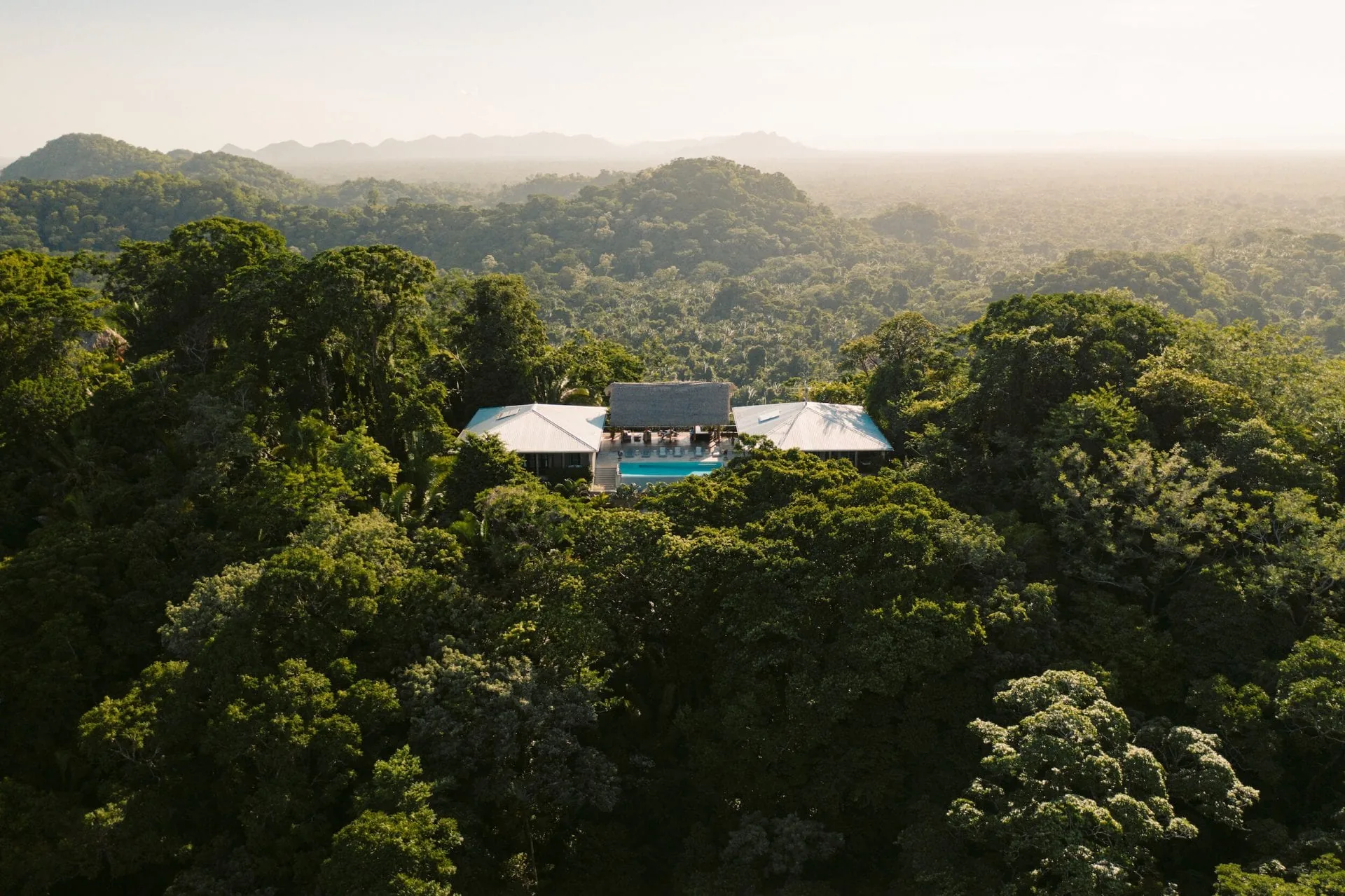
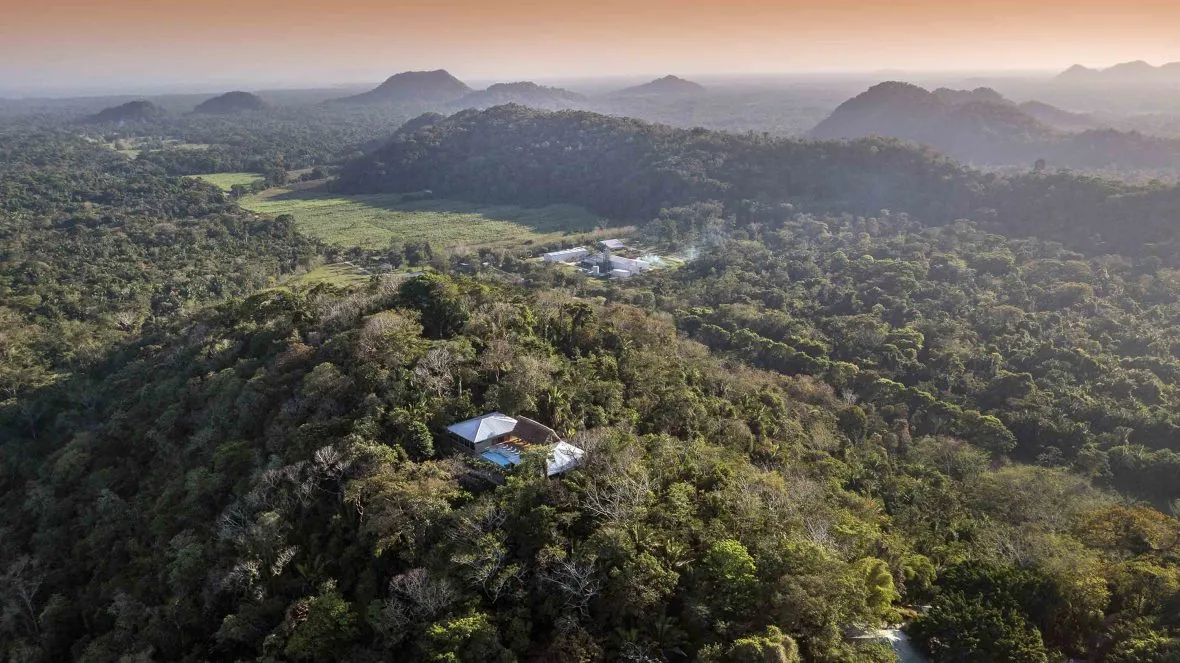
Copal Tree Distillery, Toledo District, southern Belize, inside 20,000 acres of rainforest.

The distillery sits at the edge of a private rainforest reserve in southern Belize, and the three things that go into the rum are cane grown on site, canopy water, and yeast. That's the whole list.

Copalli holds Ecocert organic certification and was the first certified organic farm and distillery in the country. The cane is cut and pressed on the property rather than bought in, which is what makes the certification mean something at the level of the liquid instead of just the paperwork.
Copalli
Heirloom red and black sugarcane grown on the estate farm beside the distillery.

The commercial logic runs backwards from the usual. Copal Tree was built to give the community around Punta Gorda a lasting economic reason not to clear rainforest for cultivation.

The Barrel Rested expression took Double Gold at the New York International Spirits Competition. At around forty dollars it is one of the more accessible certified organic spirits we list, which matters more than it might seem — most of the certified rum world sits well above that.

Cane farming has a difficult environmental record in the tropics, particularly around burning and runoff. An estate distillery working certified organic inside a forest reserve is a different proposition, and a checkable one.

“While we aren’t fully neutral yet, we are making progress.”
Mark BreeneCEO, on the distillery’s carbon target, 2021 · Conscious Connection

Why it’s remarkable

Deforestation
is what the distillery exists to make unnecessary
The commercial logic runs backwards from the usual. Copal Tree was built to give the community around Punta Gorda a lasting economic reason not to clear rainforest for cultivation. It is now among the largest employers in southern Belize, on land that would otherwise be worth more cut down.
3
ingredients, and no molasses among them
Fresh-pressed organic heirloom cane juice, rainforest canopy rainwater and yeast. The overwhelming majority of the world’s rum is made from molasses, a refining by-product several steps removed from any field. Nothing is added here, including sugar.
2 hours
from hand-cut cane to pressed juice
Cane is cut by hand rather than burned off, which is the norm across much of the industry, and juiced within two hours. Sugar begins degrading almost immediately, so the window is the whole point.
Bagasse
fuels the boilers; the ash goes back to the field
Pressed cane fibre powers the stills. Nutrient-rich ash from the boilers returns to the cane fields as fertiliser, and distillery wastewater is filtered into retention ponds and used to irrigate crops. Close to nothing leaves as waste.

Free Bacchus Verification

Track A
Formal third-party certification, confirmed against the issuing body’s own register.
Re-verified annually against the issuing body’s register. How re-verification works
Flagship
Copalli Barrel Rested Rum
Best award
Double Gold · New York International Spirits Competition

If you’re buying

Price
Around US$40 for the flagship bottling. Approximate, and it moves with vintage and market.
Drinking now
The White is the everyday bottle and the clearest expression of the cane. Barrel Rested spends ten to fourteen months in bourbon casks.
Serving
White neat, over ice, or in a daiquiri. Barrel Rested is worth drinking neat.
Availability
Generally obtainable through specialist retailers.
Tastes like
Clean and floral rather than sweet — fresh cane, green herbs and a hint of vanilla. Nothing added, nothing to hide.
Pairs with
A daiquiri, grilled pineapple, or dark chocolate.
Price bands are approximate and move with vintage, market and region. They are a guide, not a quotation.

Cheat sheet

Save it to your phone. Everything you need to recognise this producer, and three things worth saying about it, at a glance in a shop or across a table.

← Weingut Veyder-MalbergThe Verification StandardNovo Fogo →