Five Letters That Cannot Lie
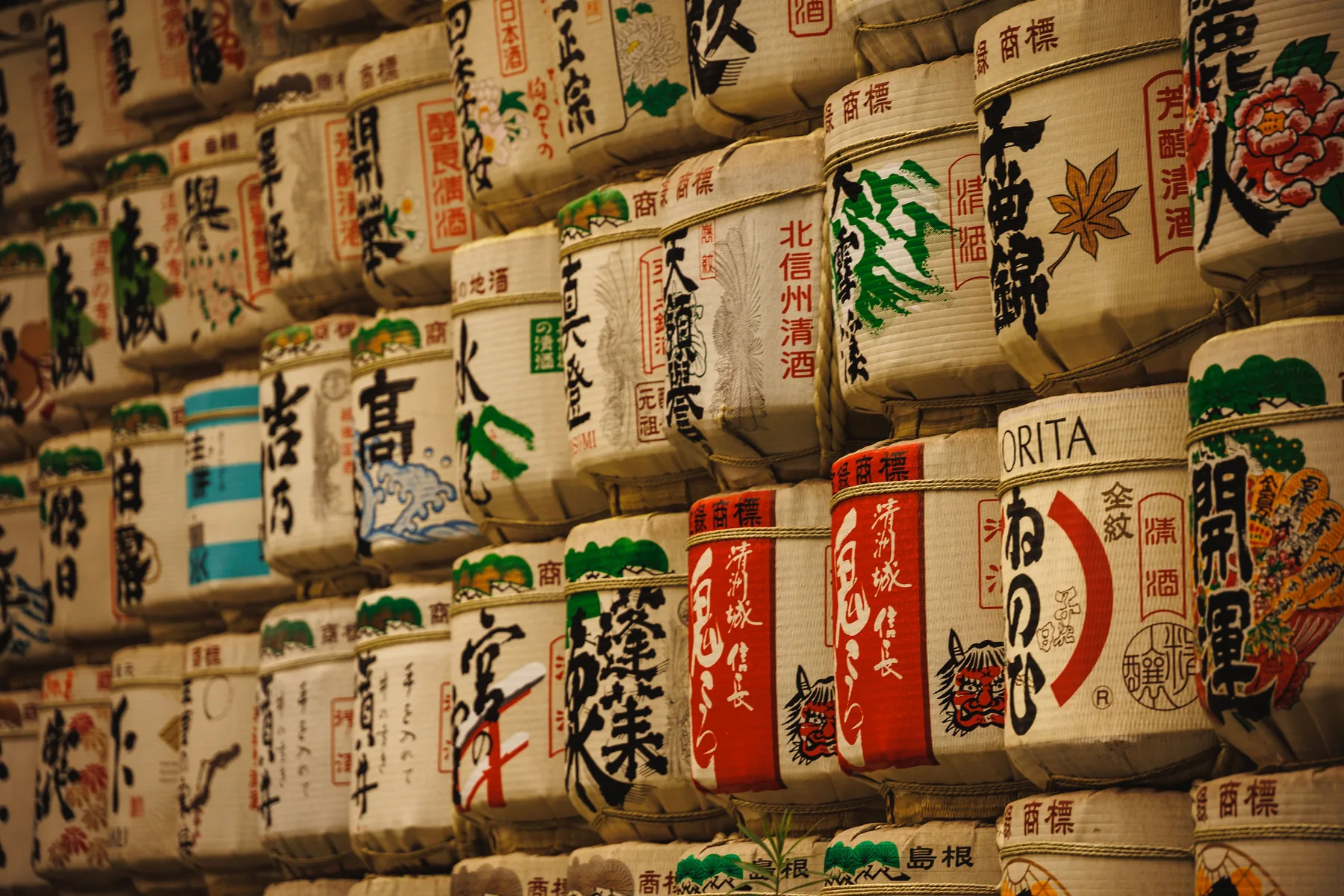
Picture yourself in a decent wine shop, doing the thing you always do. You pick up a bottle and turn it over, looking for something the back label is never going to tell you. What went into this. Whether anything was added. What the farming was like. You have done this a hundred times and the answer is always the same polite silence, so you put the bottle down and buy it anyway, on faith, the way everybody does.
Now walk four steps to the end of the aisle, to the section you have probably never browsed properly — the sake. Pick up a bottle marked junmai. That word is not a brand, a style, or a flourish of marketing. It is a legal classification, and it means the liquid inside was made from rice, water, koji, and yeast. Nothing else. No distilled alcohol stirred in to stretch the batch, no sugars, no acids. A brewery that adds any of those things is not permitted to print the word.
So there it is. After all that turning of bottles, the one that answers you honestly was sitting at the end of the aisle the whole time, in a category most Western drinkers file under “hot rice wine, served in tiny cups, probably at a restaurant in 2004.” The most transparent label in the entire shop, hiding in plain sight behind five letters nobody taught you to read.
The one bottle that answers you honestly has been at the end of the aisle all along. Five letters. Nobody taught you to read them.
What the rest of the shelf is allowed to keep quiet
The contrast is almost comic when you line it up. The wine you were holding may have been clarified with egg white or fish bladder and is under no obligation to mention it. A bottle of tequila may have been quietly sweetened and coloured to imitate age. Rum can be sugared after distillation with nothing said. None of this is illegal, and none of it appears on a label, because the entire drinks aisle operates under an exemption from the ingredient-listing rules that govern the food aisle twenty feet away.
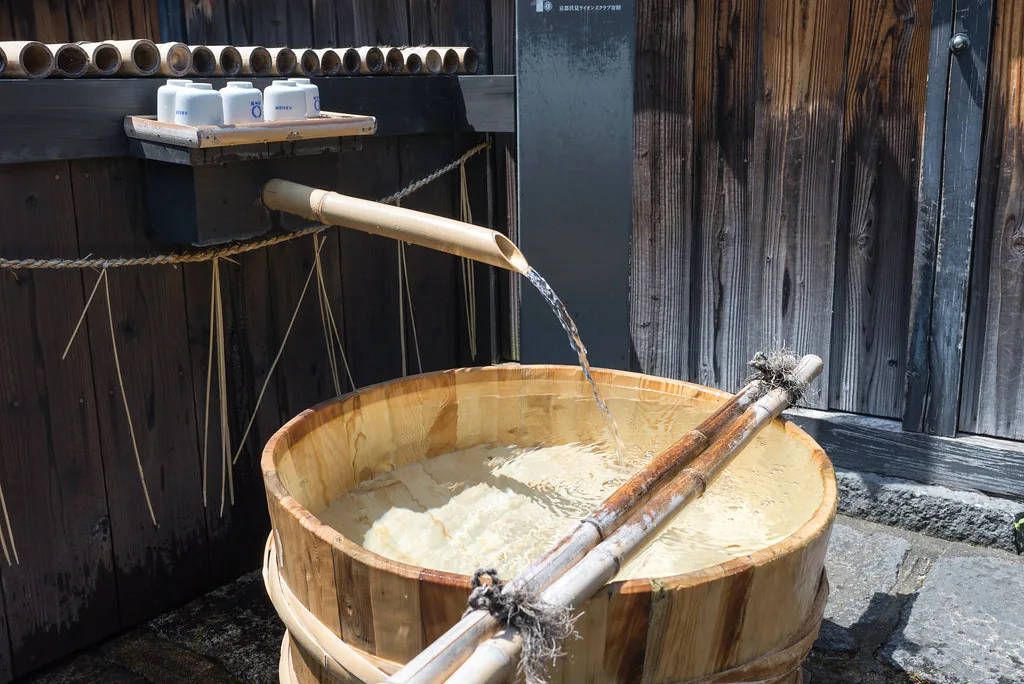
And in the middle of all that permitted silence sits a category that decided, decades ago, to define its purest tier by what it refuses to add — and to enforce the definition. Not as a premium tier for connoisseurs. As a basic classification, printed on bottles that cost less than a mediocre Chablis.
An entire aisle allowed to say nothing — and one category that chose to be pinned down.
The category the world found late
What makes this the right moment to notice sake is that the rest of the world has just started to. In Japan itself the drink has been in long retreat — sake accounted for something like seventy percent of the alcohol drunk there after the war and is down near five percent now, with breweries closing by the hundreds. Exports, meanwhile, keep climbing: a record ¥45.9 billion in 2025, up again in both value and volume, reaching some eighty countries. It is not enough to offset the decline at home, and honest people in the trade will tell you so. But look at what is actually being bought.
The average price of an exported bottle has risen more than fourfold since the late eighties. Foreigners are not buying cheap sake in bulk; they are buying small quantities of serious sake, and overwhelmingly at the junmai end — the pure end, the end with the guarantee. Arriving at the category with no inherited habits, they went almost straight to the honest bottle. Which tells you something rather hopeful about what people choose when a label finally gives them the choice.
Given a label that actually tells them something, people walked straight to the honest end of it. That is worth sitting with.
Where even the honest label goes quiet
Here is the catch, and it is the reason we are writing about this at all. Junmai tells you what went into the bottle. It tells you absolutely nothing about how the rice was grown — and rice is grown in flooded fields, where controlling weeds without herbicide means doing it by hand, in water, for a harvest that can come in a third smaller than your neighbour’s. In a country where certified organic farmland is a rounding error, that is a punishing thing to choose.
A few breweries choose it anyway, and they are worth knowing by name. Tentaka, in Tochigi, has been at it since the 2000s and eventually did the logical, slightly mad thing: it founded its own farm so the people brewing the sake also grow the rice, with the fields and the brewing process both certified, recognised simultaneously in Japan, the United States and Europe. Its organic junmai daiginjo was the first organic sake to take a gold at the Japan Sake Awards, and it has picked up an International Wine Challenge trophy and a Kura Master platinum since. In Okayama, the Marumoto family run what the trade calls the farmers’ brewery — the growers and the brewers are the same people — making their Chikurin range from Yamada Nishiki they raise on their own land, their owner being the first Japanese brewer-farmer to earn American organic certification for rice he planted himself.
This is the estate bottling idea, arrived at independently, in paddies rather than vineyards. And it produces the same result it does in Burgundy: the people who take the hardest agricultural road keep turning up on the medal lists.
Grow the rice, brew the sake. It sounds obvious until you learn how few people on earth actually do it.
Why we are championing this
Every argument this journal makes comes down to one stubborn idea: you should be able to know what is in your glass and how it was grown, and you should not have to be an investigator to find out. Sake has already proved the first half is possible. A whole category, for decades, has been printing an enforceable ingredient guarantee on inexpensive bottles, and the sky did not fall. It is the closest thing the drinks world has to evidence that honesty on a label is survivable.
The second half is where we come in — finding the breweries whose rice is farmed as cleanly as their labels are written, checking the certifications against the bodies that issue them, and putting those bottles in front of people who are already, quietly, reaching for the pure end of the shelf. It is a small corner of the drinks world, shrinking in one country and being discovered in eighty others, and the producers doing the difficult thing in it deserve to be found. That is the entire job. Five letters got us halfway. We would like to finish it.
Sake proved that an honest label is survivable. The rest of the aisle has no excuse left.
Sources & further reading
- Nippon.com — Japanese sake exports rise again in 2025
- Vinetur — Japan’s sake exports, the domestic decline, and rising price per bottle
- Into The Minds — Sake: a struggling market banking on exports
- Tentaka Shuzo — Organic brewing, certified fields and process, Tentaka Organic Farm
- Kobrand — Marumoto Brewery and Chikurin: estate-grown Yamada Nishiki, USDA organic certification
- Free Bacchus — The Verification Standard, Public Methodology